British Columbia Keeps Only Half Its Online Market. Which Canadian Province Opens Up Next?

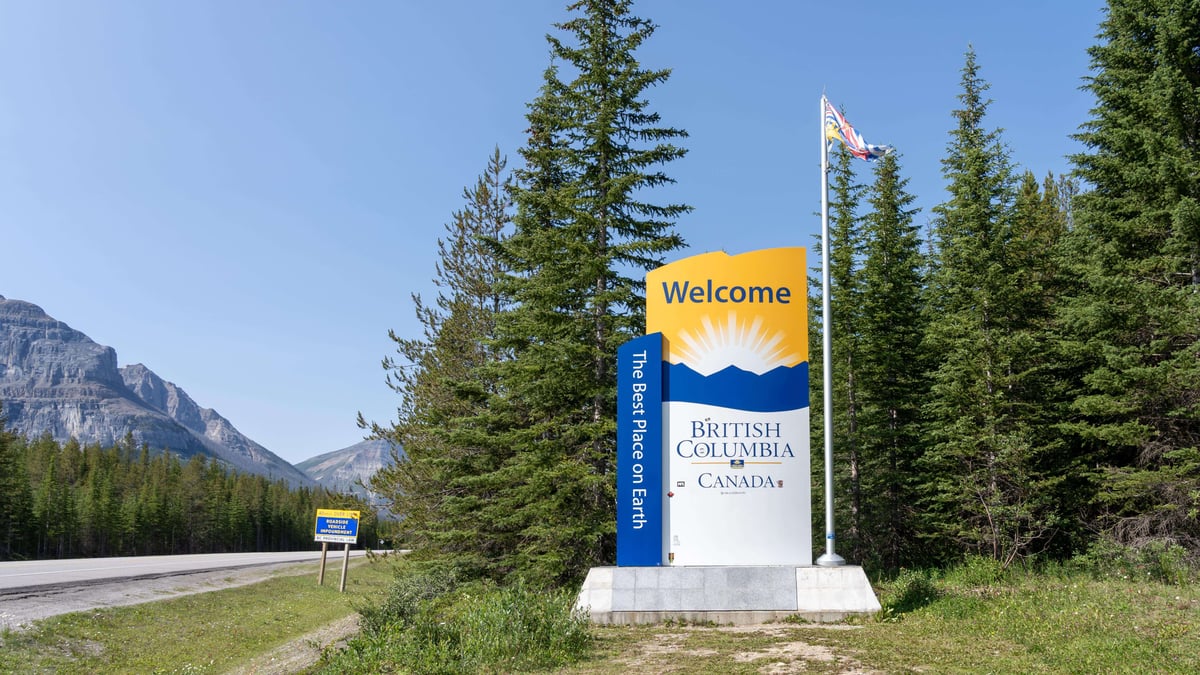
British Columbia's government-run PlayNow platform captures only about 51% of the province's online gambling market,
Finance Minister Brenda Bailey told budget estimates this year. The rest, close to half, flows to unlicensed offshore sites, taking an estimated CA$316.5 million a year outside the tax and player-protection net.
With Alberta now open, the question is which province moves next.
The 51% figure is an official estimate of spend, not a precise count, and the player picture may be worse.
A Canadian Gaming Association channelization study of recent online gamblers found that in BC only 39.6% had wagered on PlayNow at all, while 60.4% had used only unregulated sites.
Many did not know the difference: most offshore users surveyed in BC and Alberta wrongly believed the sites they used were regulated.
The Three Models In Canada
Single-event betting became legal across Canada when Bill C-218 removed the Criminal Code ban in June 2021, but each province chose how to offer it. Only Ontario and now Alberta let private operators compete.
| Province | Model | Where it stands |
|---|---|---|
| Ontario | Open, private operators | Live since April 2022; about 70 operators; the benchmark |
| Alberta | Open, private operators | Launched July 13, 2026; roughly 24 sites live day one |
| British Columbia | Monopoly (BCLC PlayNow) | ~51% market share; new IGCO regulator from April 2026 |
| Quebec | Monopoly (Loto-Quebec) | Operator coalition pushing for an open market |
| Manitoba, Saskatchewan | Monopoly (PlayNow via BCLC) | No private framework |
| Atlantic Canada | Monopoly (Atlantic Lottery) | No private framework |
Who Opens Next
This is analysis, not a done deal, but two provinces stand out.
- Quebec has the most organised push. In a February 2026 pre-budget submission, the Quebec Online Gaming Coalition urged the province to build an Ontario-style framework, arguing Quebecers already play widely on offshore sites and that the province is leaving tax revenue on the table. Loto-Quebec could stay dominant while private operators are licensed alongside it.
- British Columbia is the most economically pressured. Operators including Flutter, plus the Canadian Gaming Association and the Canadian Online Gaming Alliance, have lobbied Victoria to open up. BC's new Independent Gambling Control Office, live since April 13, 2026, separates regulation from revenue, a structural step that would make licensing private operators easier if the politics shift (IGCO).
Manitoba, Saskatchewan and the Atlantic provinces are further back, tied to shared platforms with no active licensing plans. The likeliest next open market is Quebec on political momentum, or BC if PlayNow's platform refresh fails to claw back share (BCLC service plan).
What Newcomers Can Learn From Ontario And Alberta
The two open markets have already written the playbook, and the lessons are concrete:
- Split the roles. Both provinces separate the regulator from the commercial arm: AGCO and iGaming Ontario, AGLC and the Alberta iGaming Corporation. It is now the default Canadian template.
- Channelization is the goal, not revenue. Ontario pulls more than 80% of play onto regulated sites; BC's monopoly holds barely half. Alberta targets a shift from roughly 70% unregulated to 70% regulated inside year one.
- Price entry to attract brands. Alberta charges a CA$150,000 annual registration fee plus a CA$50,000 application fee and takes just over 20% of revenue.
- Build in First Nations revenue sharing. Ontario's payments to the Ontario First Nations Limited Partnership rose 73% to CA$41.45 million last year; Alberta earmarks 3% of gross gaming revenue.
- Lead with player protection. Mandatory self-exclusion, deposit and time limits and independent accreditation are what let governments justify the shift.
- Fix the awareness gap. Since most offshore users think they are already on regulated sites, a launch needs a public campaign that tells players how to spot the licensed option.
The evidence from Ontario is hard to argue with: give players a competitive set of legal brands and most stop using offshore sites. Whether Quebec or British Columbia blinks first, the direction of travel in Canada now points one way.