GRAI Acts Against Dozens Of Unlicensed Gambling Operators

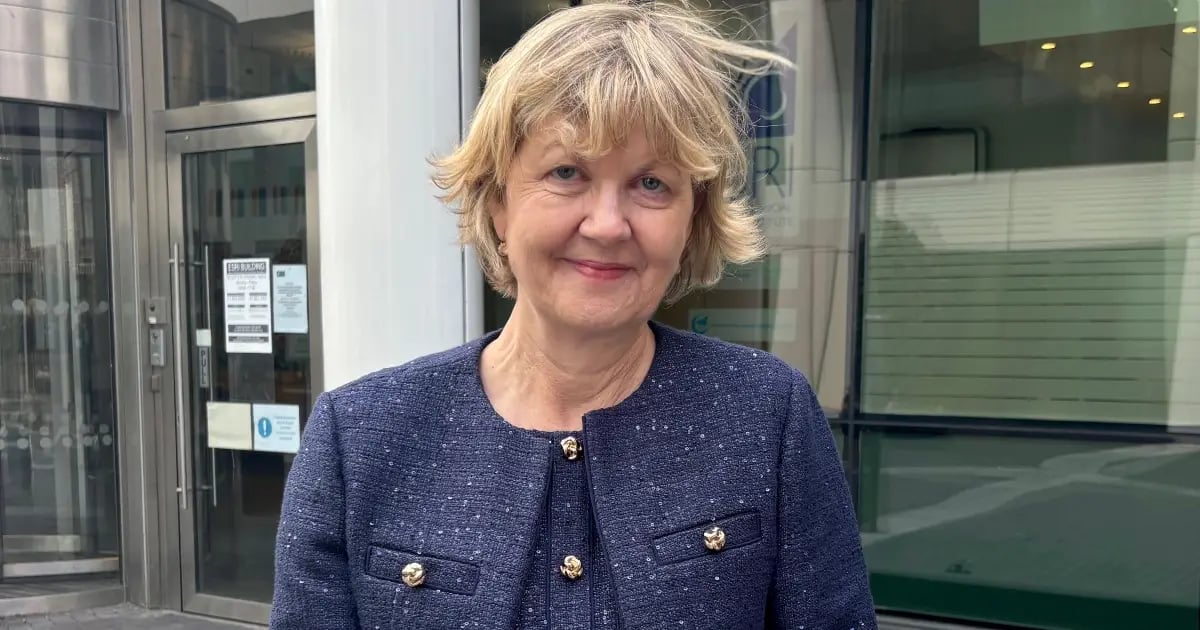
The Gambling Regulatory Authority of Ireland (GRAI) has acted against dozens of unlicensed gambling operators since online betting licensing began in July, its chief executive said on 4 November 2026.
Anne Marie Caulfield told reporters the businesses ranged from small Irish bookmakers to major online operators and the two largest prediction markets in the world, according to The Irish Times.
Caulfield did not name individual businesses. She indicated that most of the unlicensed operators stopped trading after receiving an initial cease and desist warning, and said the regulator has not yet had to go to the High Court. Its toolkit runs from cease and desist letters up to High Court action.

Why The Black Market Matters
Caulfield pointed out that many black market operators ignore the safeguards that apply to licensed businesses, including the ban on credit card use and age checks. Those protections came with the Gambling Regulation Act 2024, which gave the GRAI its licensing and enforcement powers.
The GRAI's online betting licensing regime took effect on 1 July. It set new rules on age verification and prompt payment of winnings, and it prohibits credit cards. Thirty-three licences had been issued by mid-September. The Irish Times reported then that the GRAI was investigating more than 100 operators, and that Stake had blocked Irish users after engaging with the regulator.
The regulator told the paper at the time that two major prediction markets and a major international online gambling platform had geo-blocked their services, and that it was working with them to make sure Irish consumers were refunded. The two prediction markets are understood to be Polymarket and Kalshi. Our earlier report covers how Ireland and India pushed Polymarket and Kalshi out.
Complaints From Punters Are Rising
The authority has also started fielding complaints through its consumer protection division. Many relate to difficulty getting money out of online bookmakers. The Gambling Regulation Act requires licensees to respond promptly to payment requests and to close accounts when asked.
A GRAI-commissioned survey published the same day by the Economic and Social Research Institute pointed in the same direction. Gamblers said it is easier to open an online betting account and deposit cash than to close the account or withdraw funds.
The ESRI's Pete Lunn said researchers did not look into the specific issues, but found a clear asymmetry between depositing and withdrawing.
Casino Games Hub
Funding Limits Enforcement Reach
Resources remain a constraint. In a letter to Justice Minister Jim O'Callaghan, the authority said it received only €13.35 million for 2026 against the €26 million it had requested. It warned it would have very limited capacity for compliance and enforcement, and would have to de-prioritise action against extraterritorial black market operators. A spokesman said enforcement had nonetheless begun, helped by reallocated staff and an extra €2.8 million from the Department of Justice in early August.
The regulator has also opened a review of the 145 sites linked to the Soft2Bet group after a media investigation. The GRAI said it was investigating each of those websites with a view to enforcement action.
Licensing for remote gaming, which covers online slots and casinos, has been pushed back to next year, with operator registration systems due to go live early in 2027. Until then, those products sit outside the new regime. Separately, our report on how the draft budget skipped an online gambling levy shows the policy debate is moving on other fronts too.