Trump Jr And White House Both Lobbied States Over Prediction Markets

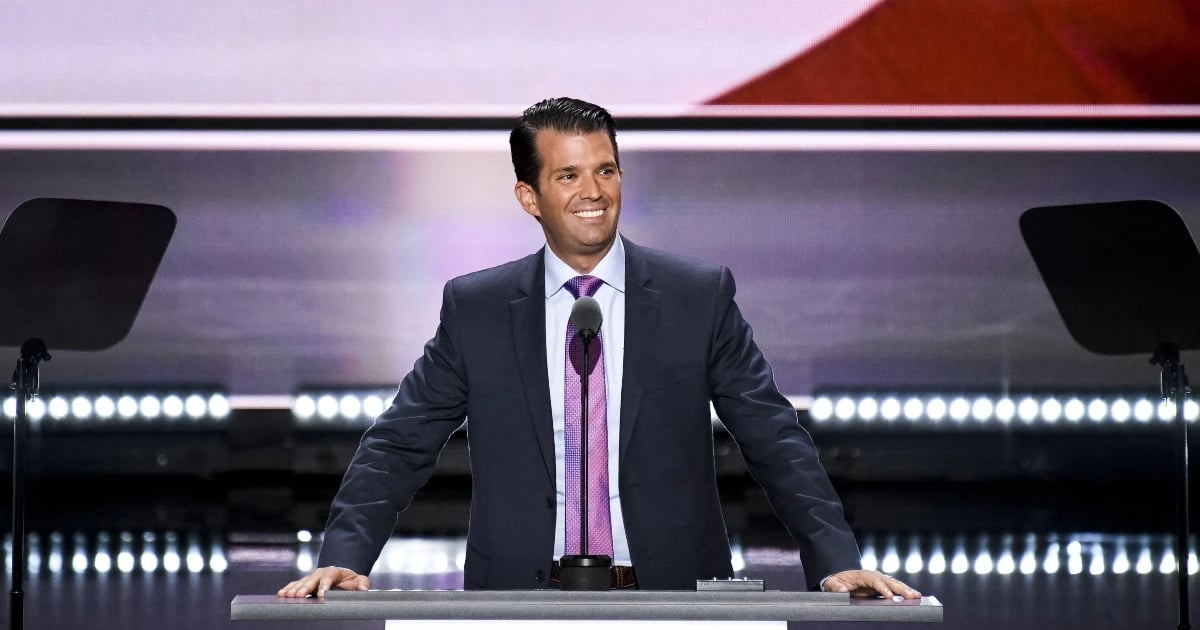
Donald Trump Jr. made a closed-door pitch for prediction markets to Republican state attorneys general earlier this year, while the White House separately told North Carolina lawmakers where the federal government stands on state regulation of the platforms, according to a New York Times investigation published August 27, 2026.
Trump Jr's Closed-Door Pitch To State AGs
The reporting adds a political layer to a legal fight already playing out over betting sites and their prediction-market rivals.
According to the Times, Trump Jr. appeared at a three-day retreat for Republican state attorneys general in New Orleans in early March, taking part in a question-and-answer session alongside Montana Attorney General Austin Knudsen.
Montana was among the first states to challenge Kalshi's sports event contracts, issuing cease-and-desist letters before Kalshi sued Knudsen in federal court.
Trump Jr. told the gathered officials that state opposition to prediction markets was being driven by a “vested interest”: traditional gambling companies trying to protect their “monopolies,” according to four people familiar with the remarks cited by the Times.

He argued the products are sophisticated financial instruments that belong under federal, not state, oversight.
His position carries a financial dimension. Trump Jr. joined Kalshi as a strategic adviser in January 2025 and received a reported $300,000 in company shares as compensation.
He also advises Polymarket, and his investment firm, 1789 Capital, holds a stake in that platform.
A spokesman for Trump Jr. told the Times he “does not interface with the federal government on behalf of any company he invests in or advises.” Kalshi, responding directly to the Times report, said Trump Jr. “provides advice on marketing strategy, but he does not advise on regulatory matters.”
White House Briefed North Carolina Lawmakers
Separately, the White House Office of Intergovernmental Affairs gave North Carolina lawmakers information on “the federal government's position on state regulation of prediction markets,” a spokesman for state House Speaker Destin Hall told the Times.
North Carolina's legislature had considered House Bill 1171, which would have classified prediction markets as gambling under state law, before passing a budget that imposes a 6% tax on the platforms while recognising that CFTC-registered operators can function without a state licence.
The Times reported that former state legislator and current Kalshi lobbyist Jim Harrell helped shape that provision.
The North Carolina compromise has already surfaced in federal litigation: Kalshi cited the law before the Ninth Circuit in its case against Nevada officials, arguing that state taxation can coexist with exclusive federal regulation, while Nevada counters that Kalshi's acceptance of the tax undermines its own argument against state authority.
A Partisan Pattern In CFTC Litigation
The Times investigation also highlights a partisan pattern in the Commodity Futures Trading Commission's litigation strategy: the regulator has sued nine states over their attempts to regulate prediction markets, and Democratic governors lead all nine, though Republican-led Kentucky, Nevada, Ohio, Montana and Tennessee have also moved against the platforms through their own enforcement actions.
CFTC spokesman Zach Fulton told the Times the pattern reflects which states took the most aggressive action, not politics: “The C.F.T.C. didn't pick these states, they picked themselves.”
The dispute over who regulates prediction markets, states or the CFTC, remains unresolved in the courts, and this latest reporting suggests the White House itself is now an active participant in shaping how that fight plays out state by state.
Follow further gambling news as the litigation develops, or browse our online casinos guides.