Sunderland's Big Test: Can The Black Cats Handle European Football?

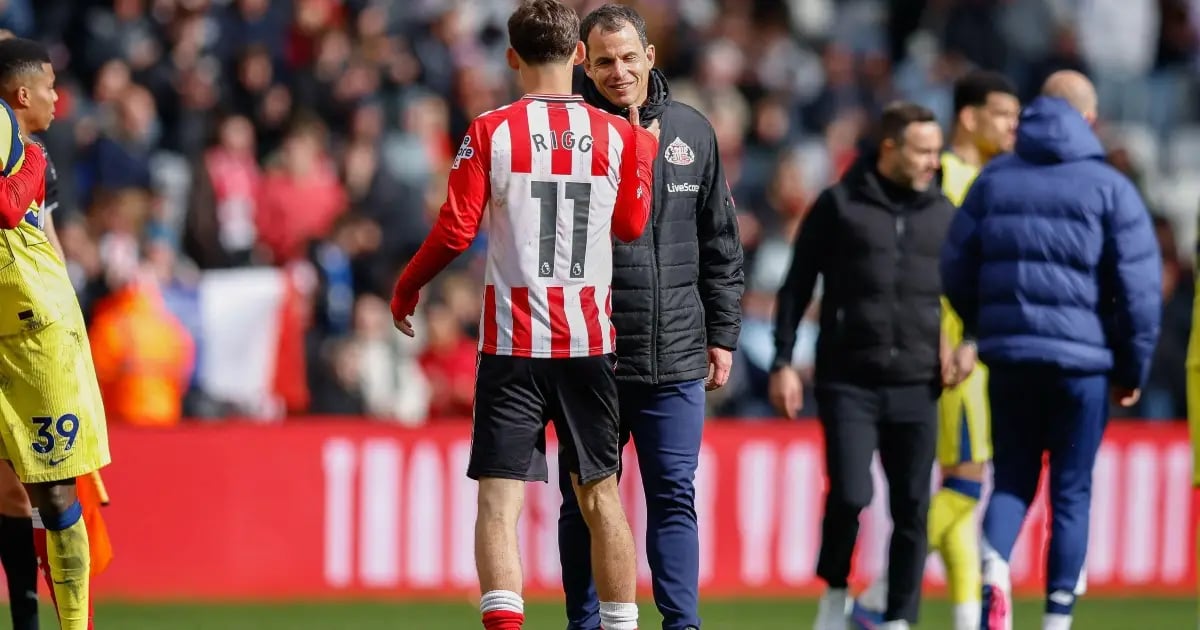
Sunderland's return to the Premier League produced one of the stories of 2025/26 - promoted straight back up after their play-off win, they defied the recent trend of promoted sides going straight back down to finish seventh with 54 points under Regis Le Bris.
That result has handed them something the club hasn't dealt with since 1973 - European football, but how will they cope? Having European football can go either way - will the squad embrace the added fixtures or will the adventure become a distraction?
Last season, Aston Villa won the Europa League and finished fourth in the Premier League, while Crystal Palace won the Conference League but finished 15th.
Odds being offered suggest the best betting sites believe the Black Cats will struggle to cope juggling both sets of fixtures.

The Thursday-Sunday Grind
Qualifying for Europe is a reward; coping with it is a challenge. Supporters will love the trips to some of the biggest clubs on the continent while players will have to get used to the increased games.
Sunderland now face a minimum of eight extra fixtures on top of the 38 Premier League matches, and for as long as they stay in the competition, a recurring Thursday-Sunday cycle that leaves barely 72 hours of recovery between games.
It's a rhythm English clubs historically struggle with, particularly in their first season of it. Rotation, squad depth, and fitness management will matter as much as Le Bris' tactics.
How The Black Cats Handled Sundays Last Season
There's a reasonable case that Sunderland are well-equipped for a schedule leaning on Sunday football, and the data holds up on both sides of the ball.
At the Stadium of Light, they won three, drew two and lost just once on Sundays in the Premier League last season. On the road, their Sunday record was two wins and a draw across three away games. Combined, that's a highly respectable 18 points from a possible 27 - which sits comfortably above their overall season points-per-game rate.
That's a genuinely strong signal heading into a season with far more Sunday fixtures forced by European scheduling. Part of the home story is a broader tale of home form full stop: Sunderland put together a club-record unbeaten home run last season, the longest by a promoted side since Nottingham Forest in 1978.
Whether that habit - home or away - holds when Thursday's Europa League exertions are added into the mix is the open question - last season's Sundays came off a normal week's rest, not two days after a European away trip.
The Transfer Window: Surprisingly Quiet
This is where the story gets more complicated. After breaking their transfer record repeatedly last summer to fund the promotion push, Sunderland's 2026 window has been notably subdued.
As of now, Thomas Meunier - the experienced Belgian full-back, signed on a free transfer from Lille - is essentially their standout addition, brought in specifically for cover and know-how across a squad about to face a much heavier fixture load.
There's been interest reported in further reinforcements, including defender Dayann Methalie and a move for Abdoullah Ba, but nothing on the scale of last summer's spree. For a club about to juggle four competitions, a quiet window is a gamble and is reflected by their odds on betting apps.
Le Bris built last season's success on a tight, well-drilled group rather than squad depth, and doing that again across close to 50 fixtures - rather than 38 - with largely the same group is a considerably harder task.

Summary
Sunderland go into 2026/27 with real credibility, an established manager, and a squad that has already outperformed expectations once.
Their Sunday record - strong both home and away - is a genuinely encouraging sign for a season that will lean heavily on that day of the week.
But history doesn't favour promoted-turned-European clubs who don't refresh their depth, and a Thursday-Sunday cycle punishes thin squads quickly, regardless of how well they've handled Sundays in isolation before.
Unless the current lull in the market turns into further signings before deadline day, squad fatigue could still be the difference between a comfortable mid-table finish and a second-half-of-the-season fade.