ESRI Study: 4 In 10 Irish Bettors Try Other Gambling

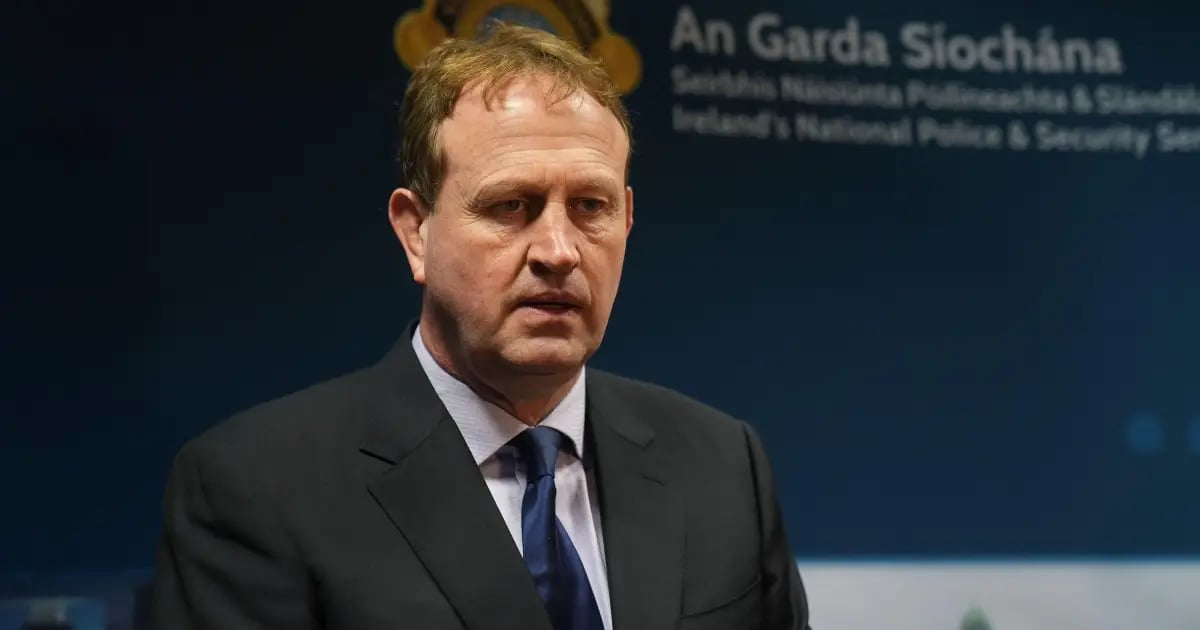
Nearly four in ten people in Ireland who open an online account to bet on horses or sport go on to other forms of gambling, according to new research from the Economic and Social Research Institute (ESRI) commissioned by the Gambling Regulatory Authority of Ireland (GRAI). The ESRI release, dated 4 November 2026, says those products include online casino games, slots and scratch cards.
The study surveyed a representative sample of 1,000 gamblers about their in-person and online play, their most recent sessions, their exposure to operator communications and their attempts to cut back. It lands as the GRAI continues a phased rollout of its licensing and regulatory functions, and the regulator says it gives one of the most detailed pictures yet of everyday gambling behaviour in Ireland.
For operators, the findings point to the rules still to come. The GRAI said the research confirms the need for new obligations on licensed operators, which arrives as Dublin weighs other changes to the market, including a draft budget that skipped an online gambling levy.
Multiple Accounts Are The Norm
Online play is now the most common way to gamble. The ESRI found 77% of respondents had gambled online in the previous year, against 59% who had gambled in person, and 44% had done both.
More than half of gamblers who had opened an online account, 54%, went on to open a second one. Good odds, easy registration and promotional offers were among the most common reasons. Around 10% of online gamblers had four or more accounts. RTE reported that 80% of gamblers in Ireland have at least one online account, with most holding more than one.
GRAI chief executive Anne Marie Caulfield said more than half of online account holders gamble using multiple accounts, often at the same time across different platforms.

Losses, Notifications And Interrupted Days
The regulator's data also shows differences between online and in-person experiences. In their most recent session, 26% of online gamblers said they lost a lot of money, compared with 17% of in-person gamblers.
Marketing contact appears to play a part. One in seven respondents said their latest online session directly followed an email, app notification or gambling advertisement, and roughly one in five gamblers said they receive notifications every day. One in five online sessions interrupted another activity, with work and family time the most commonly reported.
Many gamblers also said they found it easier to open an account or deposit money than to close an account or withdraw winnings, a point likely to interest the regulator as it writes account opening and closing requirements.
What The Regulator And Researchers Said
One in four respondents said they were trying to reduce their gambling or planned to. Of those already cutting back, one in three reported gambling the same amount or more than a year earlier.
Pete Lunn, head of the ESRI's Behavioural Research Unit, said many consumers gamble for entertainment without experiencing harm, but noted earlier ESRI work for the GRAI found one in 30 Irish adults now experience problem gambling. He said the new study sheds light on the pathways that may lead people towards harm and raises the question of whether online consumers understand what they are signing up for.
Caulfield said the GRAI's focus will be on practical and proportionate protections, including marketing standards, effective account controls and self-exclusion arrangements. She pointed to new obligations on licensed operators around account opening and closing, the ability to set spending limits, and advertising restrictions.
Justice Minister Jim O'Callaghan, who launched the report, said such research informs an evidence-based framework under the Gambling Regulation Act 2024, which created the GRAI and gave it responsibility for licensing all operators.
Latest News from Gambling.com


 Betting