SolPoker Adds Player-Run Tables With Dealer's Choice And Stake Votes

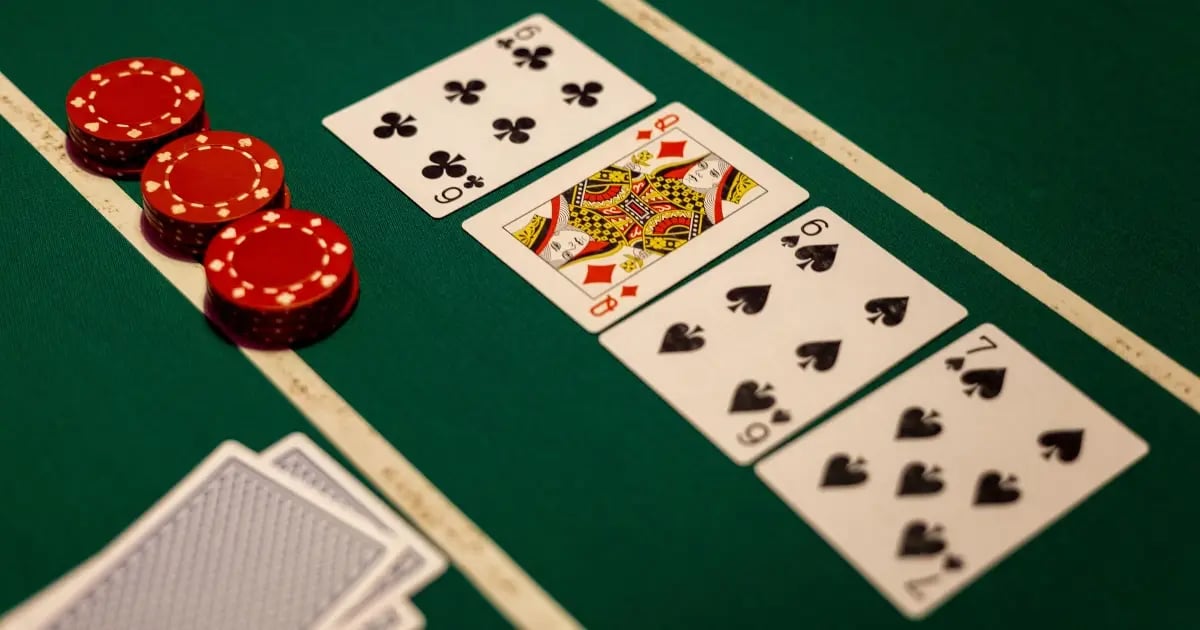
SolPoker has opened player-run tables to everyone signed in at solpoker.com, allowing users to create their own cash games, choose the variant, and change the stakes by vote.
The crypto poker room announced the feature in a blog post dated November 11, 2026.
From the lobby, a player names the table, sets the blinds and buy-in range, and picks two to nine seats. The table can remain public or be password-protected with a password between 6 and 64 characters.
Player-run tables take no rake, so a private game costs its players nothing beyond the chips they put in play.
Dealer's Choice And Fixed Games
A table can be set to Texas Hold'em, pot-limit Omaha, Pineapple, Irish poker, or Dealer's Choice.
In that mode, the player on the button picks the game before every deal from five options: Hold'em, four-card Omaha, five-card Omaha, Pineapple and Irish.
In Pineapple, each player receives three hole cards and discards one after the preflop betting.
In Irish, each player gets four hole cards, bets the flop with all four and then discards two before the turn.

How Stake Votes Work
Once a game is running, any seated player can propose new stakes. The rules are strict, so a vote can adjust a game without hijacking it.
- The big blind must stay within four times the table's original blind, in either direction.
- The small blind must sit between a third and a half of the big blind.
- The minimum buy-in must be at least 20 big blinds and the maximum at least 40.
- Each seated player casts one final ballot; a majority carries it, and at a heads-up table both players must agree.
A passed vote applies after a 15-second pause between hands, never mid-hand, and a table's stakes can change at most once an hour.
The same voting system is used at the room's regular cash tables. To open a table, a player needs a bankroll covering the minimum buy-in, which starts at $5, and can run only one table at a time.
Provably Fair Shuffle And Where It Operates
SolPoker says hands at player-run tables use the same verifiable shuffle as the rest of the room.
Before each hand, the server publishes a SHA-256 commitment covering its seed, each player's seed and a future round of the drand randomness beacon, anchored in a transaction on Base.
Finished hands can be rechecked on the site's verify page. Head of Product Shurdha Klea said the no-rake model means the room has no reason to steer players toward its own tables.
The room is played in USDC, with deposits in SOL, USDC, or USDT on Solana, and in USDC on Ethereum, Arbitrum, and Base.
Players sign in with a Solana or Ethereum wallet or a Google account. It is a niche corner of the market, as our look at crypto casino deposits shows, and SolPoker's announcement says play is open to adults in jurisdictions where online poker is lawful.
It does not name a gambling licence or regulator, and the room's blog describes it as a no-KYC site, so players should check local rules first.
Follow more gambling news on Gambling.com.


