Healey Lifts Machine Games Duty To 25% In Budget

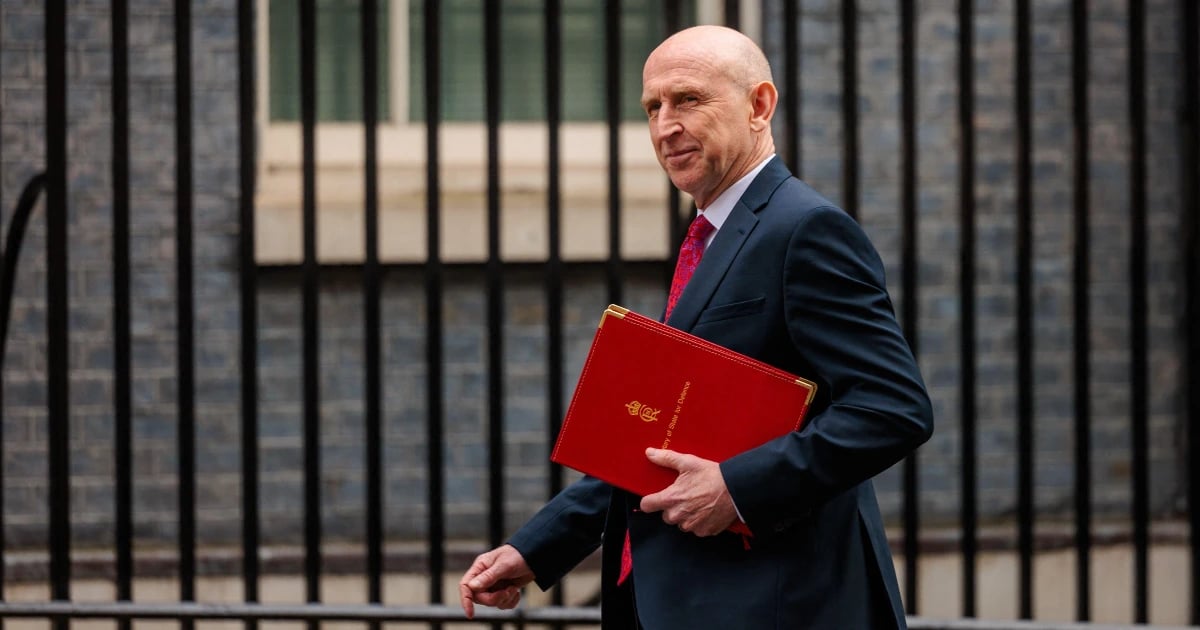
Chancellor John Healey has raised Machine Games Duty (MGD) from 20% to 25% on higher-stake machines from April 1, 2027, in the first Budget of his tenure.
The Betting and Gaming Council (BGC) reacted within hours, warning that the decision puts thousands of jobs and almost 1,000 betting shops and casinos at risk.
The increase had been expected for weeks. It follows a pre-Budget campaign in which the industry urged the Chancellor to rule out further tax rises and trade bodies argued that last year's increases had not yet been absorbed.
The final rate is well short of the doubling the industry had modelled, but operators and lobbyists still describe it as a damaging hit to venue-based gambling.

What The Budget Changes
According to the Budget 2026 document published by HM Treasury, the MGD rate rises from 20% to 25% on machine games with stakes over £1 from April 2027. The government says the change targets higher-risk machines, which it links more closely to gambling harm and which are commonly found in venues such as adult gaming centres.
Lower-stake machines keep the existing rate. Ministers said this protects pubs and seaside arcades. The revenue is earmarked to help fund a real-terms freeze in business rates for retail, hospitality and leisure properties, so that no property in those sectors faces an increase above inflation.
A second change arrives a year later. From April 1, 2028, MGD liability moves to the machine supplier for supplier-owned machines operated under profit-sharing arrangements. The Treasury has opened a 12-week consultation on how that reform should be implemented, closing on January 20, 2027.
The Treasury's costings put the combined effect of the rate rise and the liability change at £135 million in 2027-28 and £150 million in 2028-29. The estimate then settles at £145 million a year in the following years.
How The Industry Responded
The BGC's Budget response expressed deep disappointment and concern. Citing analysis from EY, the trade body said a 25% rate could cost almost 9,000 jobs and leave almost 1,000 betting shops and casinos closed or at serious risk of closure.
Chief executive Grainne Hurst said the Chancellor had ignored repeated warnings and argued that closures would hit high streets in the North of England and Scotland hardest. She also said higher taxes on the licensed sector make the illegal market more attractive, because unlicensed operators pay no UK tax and offer none of the safeguards that licensed firms must provide.
The BGC pointed to its own figures on the sector's weight. It says the industry contributes £6.8 billion to the British economy, generates more than £4 billion in tax and supports 109,000 jobs. It also highlighted annual contributions of about £350 million to horseracing and more than £40 million to English and Scottish football.
Casino Games Hub
A Heavy Run Of Tax Rises
The new rate lands on an industry already working through the changes announced in last year's Budget. Remote Gaming Duty rose to 40% in April 2026, and general betting duty is due to climb to 25% in April 2027. The BGC says more than 600 betting shops have closed or announced closure since that Budget, with more than 11,000 jobs across online and retail lost or put at risk.
Before the Budget, the trade body had commissioned EY modelling of a far larger move. It estimated that a doubling of MGD to 40% could close between 690 and 1,470 betting shops and 28 to 34 casinos, and cost between 11,600 and 15,900 jobs. The 25% rate the Chancellor chose is a smaller step, and the BGC's updated projection of almost 9,000 jobs reflects that.
Operators have been vocal about the pressure. Flutter said on October 20 that it plans up to 1,400 job cuts and blamed tax rises, according to The Guardian. Our earlier coverage shows how Remote Gaming Duty now supplies half of all UK gambling tax receipts, a sign of how much weight the Treasury already places on the sector.
What It Means For Players And Venues
For customers, the direct effect is indirect. MGD is paid by operators on machine takings rather than by players, so nothing changes at the till on April 1, 2027. The question is how venue owners respond. Higher duty on machines with stakes over £1 squeezes margins in casinos, bingo halls and adult gaming centres, where such machines are a core revenue line.
Casino operators have warned that tax pressure can delay or cancel investment. Anyone planning a trip to a land-based venue should expect operators to review opening hours, machine numbers and promotions over the next year as they assess the new cost base. Players who prefer to compare licensed options online can browse our guide to UK online casinos, all of which operate under the Gambling Commission licence.
The consultation on supplier liability runs until January 20, 2027, and the rate change takes effect on April 1, 2027. Operators and trade bodies are expected to use the intervening months to make their case on implementation.