Irish Gambling Regulation: GRAI Publishes First Annual Report

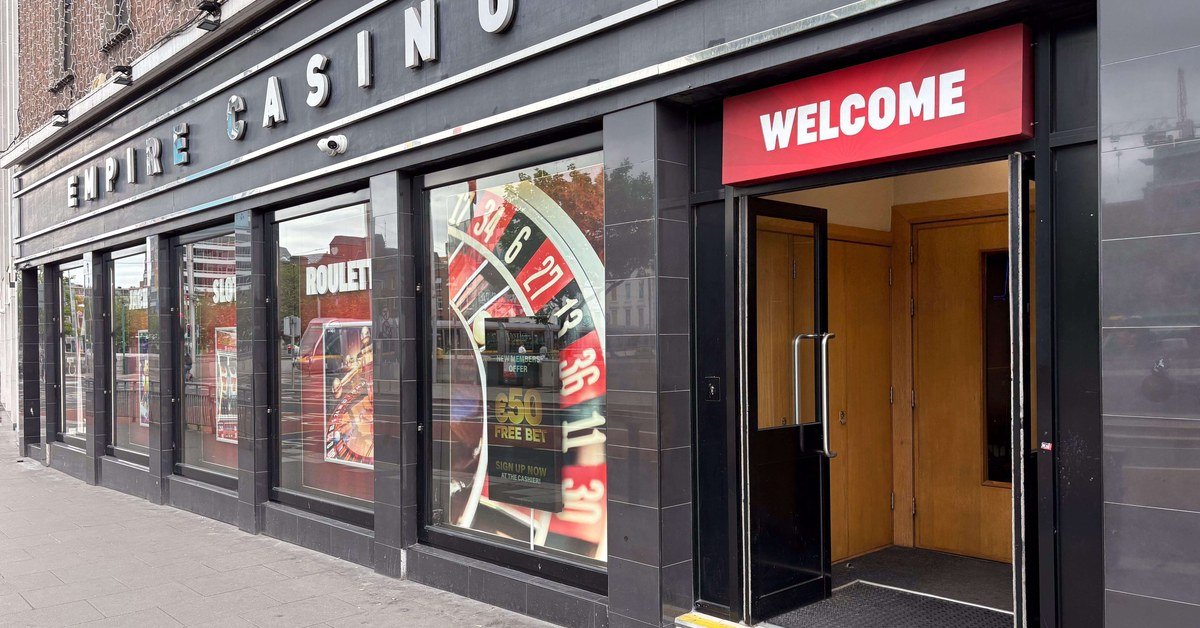
The Gambling Regulatory Authority of Ireland (GRAI) published its inaugural annual report on July 30, 2026, covering its first period of operation since it was formally established on March 5, 2025.
The report sets out how the regulator spent its opening year building the systems, staff and processes behind Ireland's new gambling framework, before it began issuing remote betting licences on July 1, 2026.
The GRAI was created under the Gambling Regulation Act 2024 to license, supervise and control gambling in the State. For anyone weighing up Irish Irish betting sites, the report matters because operators serving customers online must now hold a GRAI licence and meet obligations designed to protect players.
A Foundational First Year
Its first year was a foundational one. The Authority reported 28 full time staff in post as of December 31, 2025, recruited across licensing, compliance, enforcement, consumer protection and IT.
It launched its Statement of Strategy 2025-2027 in October 2025, built around six objectives: licensing, monitoring and compliance, enforcement, consumer protection, governance and a "digital first" approach.
Betting Licences Lead A Phased Rollout
Licensing has been the priority. The GRAI opened its first invitation for remote betting and betting intermediary licence applications in February 2026, and the first licences commenced on July 1, 2026.
In-person betting licences are due later in 2026, with gaming, lotteries, business-to-business, charitable and philanthropic licences to open across 2027 and 2028.
Tougher Rules For Licensed Operators
Once licensed, operators must meet strict conditions. These include age verification to prevent underage gambling, a ban on offering credit or accepting credit cards, an obligation to pay out winnings and a requirement to close accounts on request.
The GRAI can investigate operators, apply sanctions and act against unlicensed activity, which it states is a criminal offence.
Research Driving The Reforms
The regulator built its case for reform on research. Its first brand awareness campaign, launched in October 2025, drew on Economic and Social Research Institute findings that harmful gambling in Ireland is around ten times higher than previously thought.
A separate GRAI and ESRI study found that inducements such as free bets and moneyback guarantees increased spending by over 10% in an experimental setting.
The Scale Of The Irish Market
The report also sketches the scale of the market the GRAI now oversees. It put total gross gambling revenue in Ireland at an estimated €1.17 billion to €2.57 billion in 2025, with the sector employing over 6,000 people and contributing roughly €171 million in annual tax.
The number of retail betting shops fell to 684 by the end of 2025, down from 1,385 in 2008, as activity continued to shift toward online betting and casino platforms.
Building The Regulator
Behind the scenes, the GRAI signed a €10.4m contract with Deloitte Ireland in February 2025 to build its regulatory systems on a Salesforce platform, covering licensing, compliance, enforcement and the National Gambling Exclusion Register.
It also signed cooperation agreements with regulators in the United Kingdom, Belgium and Gibraltar during 2025, followed by deals with counterparts in Denmark, Alderney and the Nevada Gaming Control Board in 2026.
What The Regulator Said
Minister for Justice Jim O'Callaghan said: "Last year was a significant year as a new era for the regulation of gambling in Ireland commenced." GRAI chief executive Anne Marie Caulfield said the foundations laid in 2025 were strong, adding that the Authority had "prioritised licencing" because consumer protections are grounded in the legal obligations placed on licensed operators.
What Comes Next
The next test is delivery. The GRAI has said its staffing will expand significantly in 2026 as it moves from building the regime to running it, with in-person betting licences and the phased rollout of gaming, lottery and B2B licensing still to come.