Responsible Gambling In Ireland: New Protections And How To Stay In Control

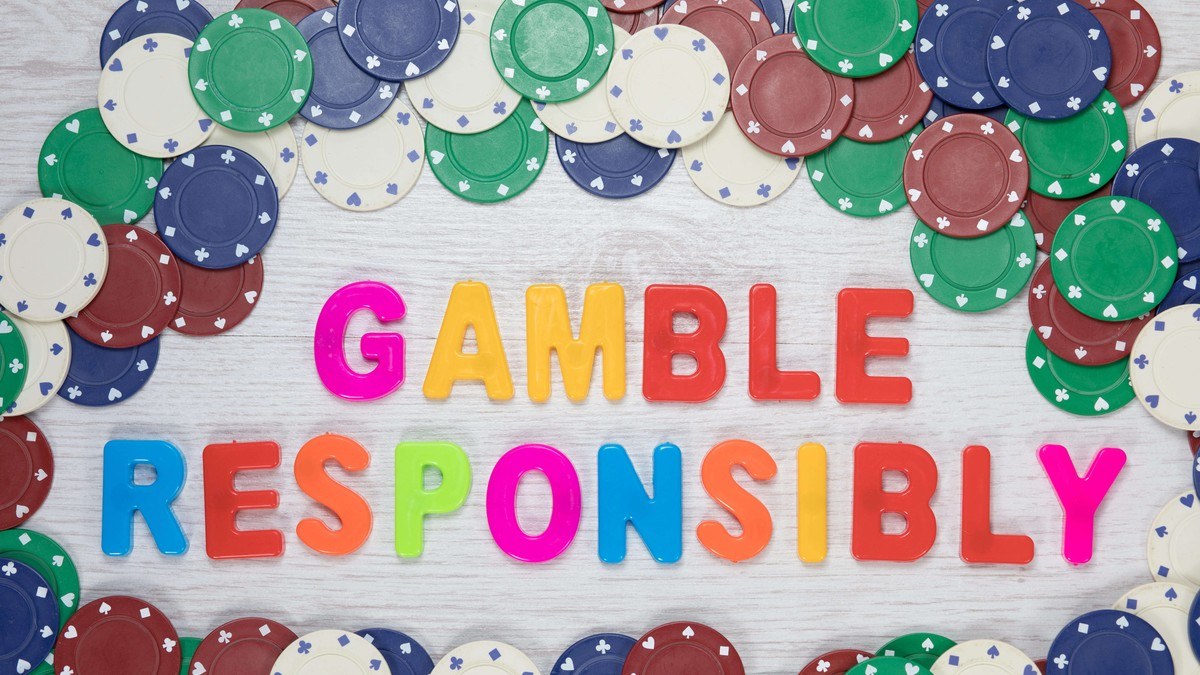
Gambling in Ireland is being reshaped by the biggest overhaul of the law in decades, and for anyone who wants to keep their play under control the practical tools have never been clearer. Whether you set a limit before you start or decide to stop altogether, our guide to responsible gambling sets out how to stay in charge of your money and your time.
The Gambling Regulation Act 2024 has begun to change what operators must offer Irish players, and the Gambling Regulatory Authority of Ireland is now enforcing the rules. Here is what to do to gamble safely, how to spot when it has become a problem and where to find free help.
How To Stay In Control
The simplest habits keep gambling as entertainment rather than a way to make money. Treat any stake as money you can afford to lose, never as income, and set a spending limit before you start rather than in the heat of a losing run.
- Set a money limit in advance and stop when you reach it
- Never chase losses, which tends to make a bad session worse
- Take regular breaks so you keep perspective
- Do not gamble when you are drunk, upset or under pressure
- Keep track of the time and money you spend
- Use the deposit limit and time-out tools your operator must provide
Licensed sites are required to let you set limits on how much you gamble remotely, a protection now written into Irish law.
Recognising Gambling Harm
Gambling harm rarely announces itself, and the early signs are behavioural rather than financial. Chasing losses, betting alone at odd hours, playing games that run continuously and feeling relief rather than enjoyment when a bet lands are all worth taking seriously. For family members, unexplained irritability and borrowed money that is never mentioned again can be signals. Money problems usually appear last, not first, because people protect the appearance of being fine for as long as they can.
What The Gambling Regulation Act 2024 Changes
The Gambling Regulation Act 2024 was signed into law in October 2024, replacing a patchwork that dated back to the Betting Act 1931 and the Gaming and Lotteries Act 1956. The Gambling Regulatory Authority of Ireland was established in March 2025, and a first set of protections came into force on February 5, 2026.
Measures now in effect include a ban on using credit cards to pay for gambling, a ban on children gambling or being employed by licensees, restrictions on ATMs in gambling premises and a requirement that operators let customers set remote gambling limits. Still to come on a phased basis are a National Gambling Exclusion Register, which will let a person self-exclude from every licensed Irish operator in one submission, and a Social Impact Fund paid for by licence holders to fund treatment, research and education. Penalties for the most serious breaches run to €20 million or a share of turnover.
Where To Get Help In Ireland
Help is free and available whether you are worried about your own gambling or someone else's. Extern Problem Gambling offers free counselling across the island of Ireland to gamblers and to affected family members, and Gam-Anon meetings run for relatives. A GP can assess any depression, anxiety or alcohol use alongside gambling and refer you into HSE addiction services, where non-residential treatment is free of charge.
Most Irish banks and card providers now offer a gambling block that refuses gambling transactions at card level, and blocking software can cover thousands of sites at once. For a plain-language overview of services and which parts of the 2024 Act have commenced, Citizens Information keeps an updated page, and the Gambling Regulatory Authority of Ireland publishes advice for the public. There is no threshold you have to cross before help is appropriate.