Cyprus Plans First Licensing Regime For B2B Gambling Suppliers

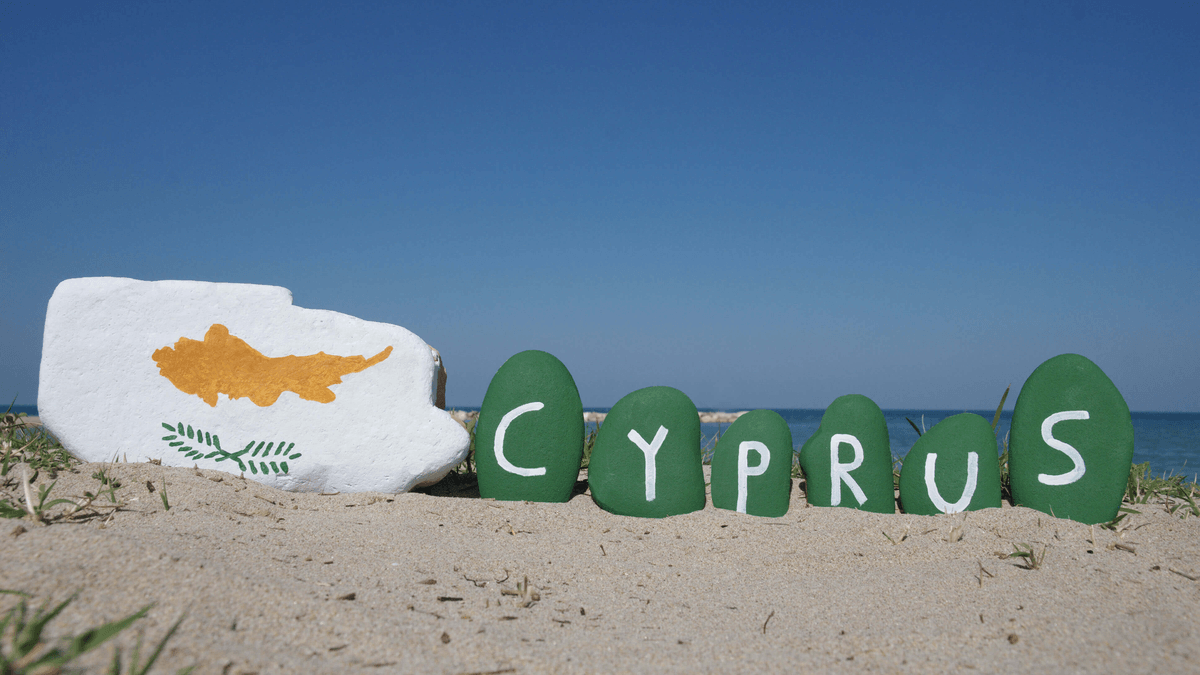
Cyprus wants to license the gambling technology suppliers based on the island for the first time, extending oversight beyond operators.
Cyprus is preparing legislation that would place gambling technology suppliers under direct regulatory control for the first time, the head of the country's National Betting Authority has said. The reform would create a dedicated licensing regime for the B2B firms that build platforms, software and services for betting operators, closing a gap in a market that until now has only licensed the operators themselves.
Panagiotis Trisokkas, President of the National Betting Authority, set out the plan in an interview with trade outlet SBC News published on August 3, 2026, describing the change as "long overdue" and "the natural evolution of our regulatory framework." He said the regime should be "proportionate, efficient and largely frictionless for legitimate businesses."
The context is a betting sector that keeps growing. Regulated betting turnover in the Republic of Cyprus passed EUR 1.3bn in 2025, an increase of about 8% on 2024, according to Authority figures reported in May 2026. Online betting makes up the largest share of that activity, while the retail shop network still matters for local employment.
Cyprus regulates betting under its Betting Law of 2019, which sets up two licence classes: Class A for land-based betting and Class B for online sports betting. Online casino games remain prohibited on the island, so slots, roulette and online poker sit outside the licensed market entirely. Licensed operators pay a 10% betting tax on net revenue plus a 5% statutory contribution, of which 4% supports Cypriot sport and 1% funds programmes for young people and those affected by gambling harm.
The planned supplier regime targets a part of the industry that has grown up around Cyprus without a licence of its own. Technology companies based on the island supply operators across several jurisdictions, which leaves their ownership, governance and conduct outside any single regulator's view. Trisokkas said the aim is proportionate oversight that reassures the wider market without blocking legitimate firms.
The Authority has paired its enforcement work with a public health approach to problem gambling, treating harm as a matter for prevention, education and treatment rather than regulation alone. Cyprus reports a relatively low problem gambling rate against high public engagement with betting, which the regulator attributes in part to that stance.
Cyprus has also pushed back on the idea of an additional EU-wide gambling levy, arguing that member states should keep control of how their own sectors are taxed and supervised. That position matters for suppliers weighing where to base European operations, and it sits alongside the island's pitch as a compliant EU home for gambling businesses.
The reform is still at the proposal stage and will need to pass into law before any supplier licence takes effect. Operators and suppliers watching the regulatory calendar should track the bill's progress through the finance ministry and parliament, along with the licence conditions, fees and transition period the Authority attaches to it.
Full detail on the current framework sits on the National Betting Authority website.