Greece Advances Two Athens Casino Resorts Led by €1.5bn Ellinikon Project

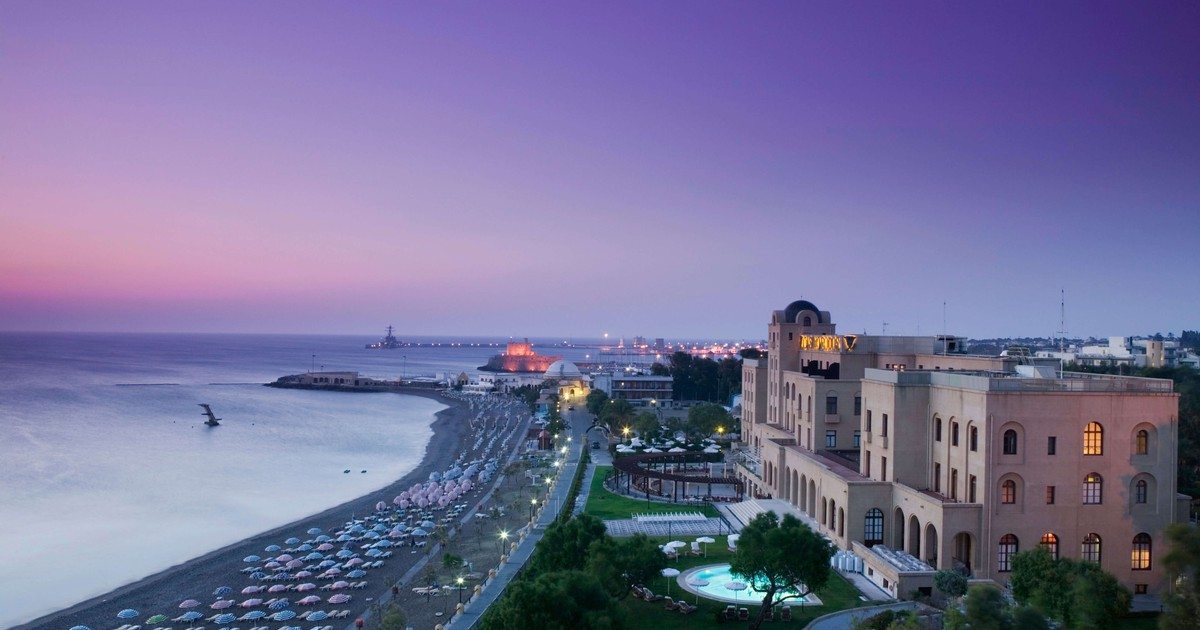
Greece is moving ahead with two casino resort projects in the Athens area, the first large-scale integrated resorts inside the capital's metropolitan region.
Together they mark a shift in the Greek market away from standalone casino halls and toward destination resorts where gaming sits within a wider hotel, dining and events offer.
The €1.5bn Ellinikon Resort
The larger of the two is the Hard Rock Hotel & Casino Athens, a €1.5bn development by Greek construction and energy group GEK TERNA and Hard Rock International on the site of the former Ellinikon airport on the Athenian Riviera.
According to the developers, the complex will house a tower with 1,100 beds, split across 900 rooms and 200 suites, alongside a casino of nearly 15,000 sq m fitted with 200 tables and 2,000 gaming machines.
The Ellinikon resort is built around more than gaming. Plans set out by the developers include a 3,000-seat Hard Rock Live venue with an outdoor stage for a further 7,500 guests, and an exhibition and conference centre of more than 23,000 sq m. Nearly 138,000 sq m of the site is given over to open spaces, gardens and water features, part of a design that positions the property as a hospitality and events destination rather than a gaming hall with rooms attached.
Mont Parnes Moves to Marousi
The second project relocates the long-established Regency Casino Mont Parnes, currently on Mount Parnitha outside Athens, to the northern suburb of Marousi. The move was cleared after the Council of State approved a presidential decree, published in the Government Gazette in March 2023, permitting the transfer and modernisation of the casino into a mixed-use complex.
Plans for the site pair a casino with a five-star hotel, conference and wellness facilities, with a large share of the land set aside as public green space. Reported investment figures for the relocation vary between sources, and the exact total has not been confirmed by a single official document.
A Shift Toward Integrated Resorts
Both developments fit a pattern seen across Europe and Asia, where operators fold casinos into broader resort complexes to widen their appeal and spread their revenue beyond the gaming floor.
For Greece, the projects also concentrate new casino capacity in Athens for the first time, in a market where licensed venues have historically sat in coastal and regional locations.
The backdrop is a Greek gambling sector that has grown well beyond its casino floors. Land-based casinos account for a modest share of overall gambling activity, with the bulk of turnover flowing through betting, lotteries and online play regulated by the Hellenic Gaming Commission (EEEP).
That balance is one reason policymakers and operators frame the new resorts primarily as tourism and investment projects, with gaming as one component of a larger draw.
Years From Opening
Construction timelines put both resorts several years from opening, and large projects of this kind in dense urban areas typically face questions over transport access and local infrastructure.
The Ellinikon site in particular is part of one of Europe's biggest urban redevelopment schemes, which brings its own phasing and delivery pressures.
For operators watching southern Europe, the Athens projects are a signal that Greece intends to compete for the integrated-resort investment that has reshaped gaming in other regions.