What Does 'Going' Mean In Horse Racing? A Guide To Ground Conditions

What Is 'The Going'?
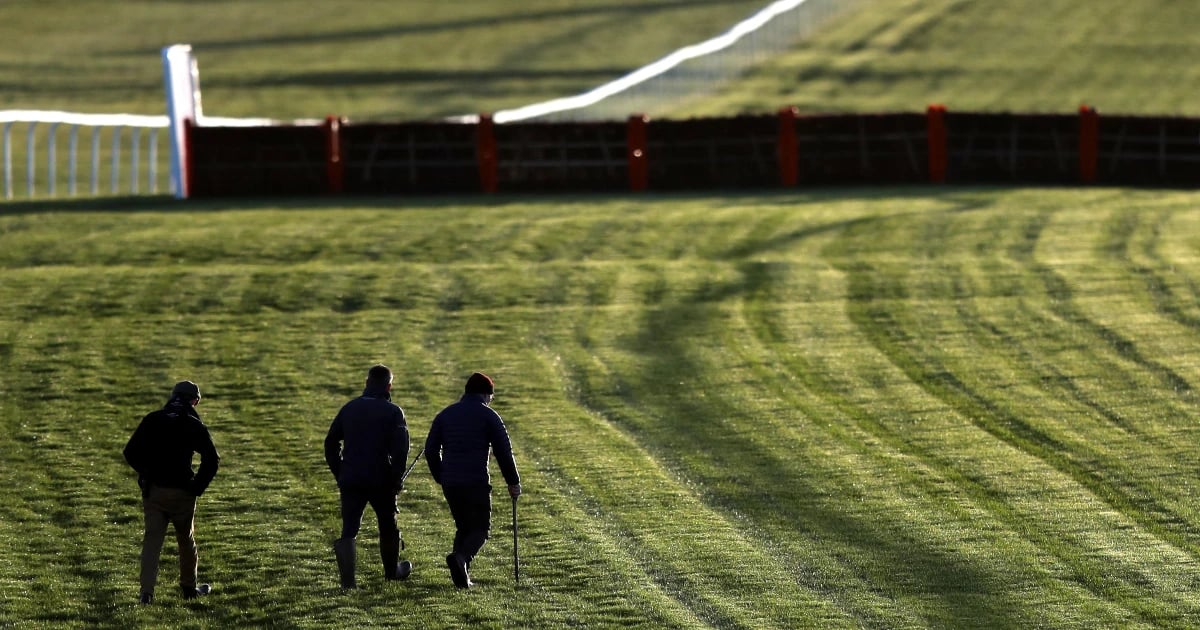
Going describes the state of the ground a race is run on, mainly how much moisture is in the turf and how that affects the surface underfoot.
The more moisture in the ground, the softer and slower the going. The drier the ground, the firmer and faster it becomes.
One of the most important factors in racing, the going directly affects how a race is run and which horses are suited to win it.
Some horses are built for speed on a fast surface, while others rely on stamina and only really show their best form when the ground is testing.
Not understanding the going is a genuine piece of missing information when you're assessing a race and studying the betting sites, not just something to ignore.
The Official Going Scale, Wettest to Driest
In racing, the clerk of the course in Britain and Ireland describes the going using one of seven official terms, running from wettest to driest:
- Heavy: saturated ground, at the very testing end of the scale. Only strong, stamina-laden types tend to handle it well.
- Soft: wet and slower ground that rewards stamina over pure speed.
- Good to Soft: a touch of ease in the ground, but not a stamina test.
- Good: the benchmark description, and the most common, going across the racing calendar.
- Good to Firm: quick underfoot with some cushion still in the surface. Considered suitable for the vast majority of horses, particularly in flat racing.
- Firm: dry, fast ground with little give. Some speed horses relish it, but trainers are often reluctant to run on it because of the injury risk.
- Hard: the most extreme end of the scale, rarely used in Britain, and racing is not permitted to continue on ground this firm for safety reasons.
Where conditions vary across the track, the clerk will combine two descriptions. For example, 'Good to Soft, Soft in places' flags that one part of the course (often a bend) is riding differently to the rest of the track.
Irish racing uses the same broad scale as Britain, but adds one term you won't see on a British racecard. 'Yielding' sits between Good and Good to Soft, and is a very common description on Irish racecards.

How Is It Measured?
The going description isn't just a guess from someone walking the track, although that still plays a part.
Clerks of the course also use a device called the GoingStick, which measures two things as it's pushed into the turf: how far it sinks and the force required to pull it back.
Those two readings are combined into a single numerical score, taken at multiple points around the course and averaged out.
After considering all of the readings, the clerk of the course will have the final say.

All-weather tracks with surfaces like Polytrack and Tapeta, used at courses such as Newcastle, Wolverhampton, Southwell and Kempton, which host their own championships across the season, don't use the turf scale at all. Instead, the going is described as:
- Standard: the optimal, most common description for an all-weather surface.
- Standard to Slow / Slow: more moisture in the surface, comparable in effect to Soft going on turf.
- Standard to Fast / Fast: a drier, quicker surface, comparable in effect to Good to Firm or Firm on turf.
Why It's Worth Checking Before You Bet
Two horses can have identical form figures and still be completely different propositions depending on the ground.
A horse with all its best form on Good to Firm is an unknown quantity dropped into a soft-ground test, and vice versa. Form on unsuitable ground can flatter or disguise a horse's true ability.
The going also shapes how a race is likely to be run tactically.
Testing, soft ground generally favours stronger, more stamina-efficient types and can bring pace collapses into play, while fast ground tends to suit sharper-speed horses and can produce true, all-out gallops.
Before backing anything, it's worth checking a horse's form on the specific going it's about to race on, rather than just its form figures in isolation.
It is just one factor to consider when going through a racecard. Keep an eye out on Gambling.com for more information, hints and tips.