Canada Gambling News Roundup: Alberta iGaming Launch Reshapes The Market

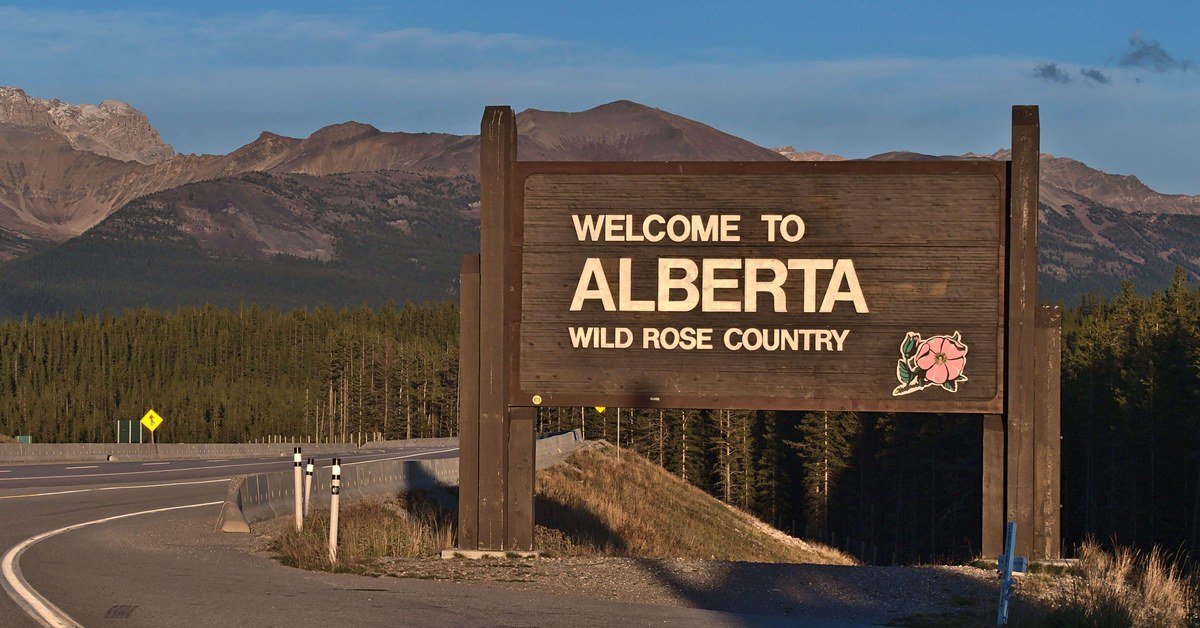
Alberta's regulated online gambling market is a little over three weeks old, and it has already changed the shape of the industry across Canada.
Since private operators went live on July 13, 2026, the province has added new brands almost weekly, drawn a public debate about advertising, and sat at the centre of a busy stretch of national gambling news.
Alberta's Regulated Market Is Filling Up Fast
Twenty-two licensed iGaming sites started taking bets on day one, July 13, 2026, making Alberta the second Canadian province after Ontario to license private online operators. A full slate of Alberta's regulated online casinos is now live for players in the province.
The field has grown quickly since launch: Entain moved its Sports Interaction and Party Casino brands over from the grey market on July 23, completing a hat-trick alongside its BetMGM joint venture, which launched on day one. Bally's followed on August 4 with Bally Bet and Monopoly Casino, taking the count of live sites to 26.
More are on the way. The Alberta Gaming, Liquor and Cannabis regulator has registered more than 50 online gambling sites, and roughly half went live inside the first two weeks. Names already operating include bet365, BetRivers, Caesars, DraftKings, FanDuel and theScore.
Suppliers have moved just as fast, with content and platform firms treating Alberta as the next big opening after Ontario, part of a wider trend of suppliers rushing into Canada's newest market.
The Advertising Surge Draws Scrutiny
The launch has been impossible to miss. Online gambling advertisements have appeared across platforms in Alberta since the market opened, and that visibility has prompted concern. University of Alberta marketing professor Paul Messinger told CBC News that heavy promotion risks raising addiction rates among young and vulnerable people, while assistant psychology professor Carrie Shaw warned the ads can "inadvertently normalize gambling" in a product that is available 24 hours a day.
Service Alberta and Red Tape Reduction Minister Dale Nally defended the approach, arguing that licensed operators need to advertise to draw players away from black-market sites.
Dan Keene, chief executive of the Alberta iGaming Corporation, said rules bar ads from targeting minors or vulnerable people and from promoting bonuses or free bets unless a player has consented to direct marketing.
Alberta also launched with system-wide self-exclusion in place on day one and requires operators to fund treatment for problem gambling, measures the province says go beyond Ontario's 2022 opening.
For a player-level view of the first weeks, our report on what players are saying three weeks in our coverage tracks the early reaction.
Operators Report Early Momentum
Operators used their second-quarter results to talk up the launch.
BetMGM chief executive Adam Greenblatt said the company was "encouraged by the initial indicators" and that nearly 10% of its new Alberta players already had a relationship with parent MGM Resorts. MGM Resorts chief executive Bill Hornbuckle added that of the operator's first 8,500 deposits in the province, almost 1,000 came from existing MGM customers.
Betsson entered the market a different way. It confirmed on August 3 that it had completed its acquisition of the Canadian business of Rhino Entertainment Group, a deal worth 64.5m euros, more than C$100m, first announced in March. That brought the Casino Days platform, a day-one Alberta site, in-house and restored Betsson's presence in Ontario.
Not every operator is racing in. Super Group, owner of Betway, Jackpot City and three other brands, told analysts on August 5 that it will take a phased approach and may not switch its brands over until closer to the October 13 deadline the regulator has set for grey-market operators to comply.
Polymarket Pulls Back As Prediction Rules Tighten
The prediction-market picture is moving the other way. Polymarket quietly updated its terms of use on July 6, 2026 to block access in Alberta, British Columbia and Quebec, adding to an existing ban in Ontario that dates to a 2023 settlement with the Ontario Securities Commission.
Speaking at Alberta's launch event, Minister Nally welcomed the move, saying Polymarket "made the decision themselves to geo-fence themselves out." Alberta's market, unlike Ontario's, does not allow betting on political elections.
Regulated event contracts are arriving through a narrower door. Under Canadian Investment Regulatory Organization rules, rival Kalshi has partnered with Wealthsimple to offer economic and financial event contracts, but not sports or election markets, and only over settlement periods of 30 days or longer.
First Nations Reshape Land-Based Gaming
Away from the screens, Indigenous groups are buying up casinos. In British Columbia, the Snuneymuxw First Nation has acquired five casinos from Great Canadian Entertainment in two years, including River Rock Casino Resort.
Once further deals with the Tsleil-Waututh Nation, the Ts'elxweyeqw Tribe and the Semiahmoo First Nation close, Great Canadian will have sold eight of its nine B.C. casinos to Indigenous owners.
Alberta has seen similar moves. Indigenous Gaming Partners, backed by five Nova Scotia First Nations, bought the Pure Canadian Gaming casinos in late 2024 and added operator Gamehost in March 2026. The shift dovetails with Alberta's online rules, which direct 2% of gross gaming revenue to Indigenous initiatives and 1% to social responsibility programmes.
Which Province Opens Next
For now, Ontario and Alberta are the only competitive markets. Everywhere else, online play still runs through a single provincial Crown corporation: PlayNow in British Columbia, Espacejeux in Quebec, the shared Atlantic Lottery Corporation across four provinces, and Saskatchewan's platform tied to the Saskatchewan Indian Gaming Authority. None is rushing to open, and each carries its own revenue, political and Indigenous-rights questions, as our look at how British Columbia keeps only half its online market explains.
Alberta's 20% tax rate and its day-one player-protection rules now serve as the reference point the next province will be measured against. Readers weighing their options can find the full rules in our guide to Alberta online gambling laws and regulations.
The three figures to watch over the coming months are channelization, tax settings and whether a third Crown-monopoly province decides the pressure is worth acting on.