Quebec Missing Out On $300m A Year In Tax Revenue, According To QOGC

The Quebec Online Gaming Coalition (QOBC) is pushing to follow Ontario into regulated online gaming.
The group has said that La Belle Province is missing out on $300million a year in tax revenue and is failing to protect some players from black-market sites.
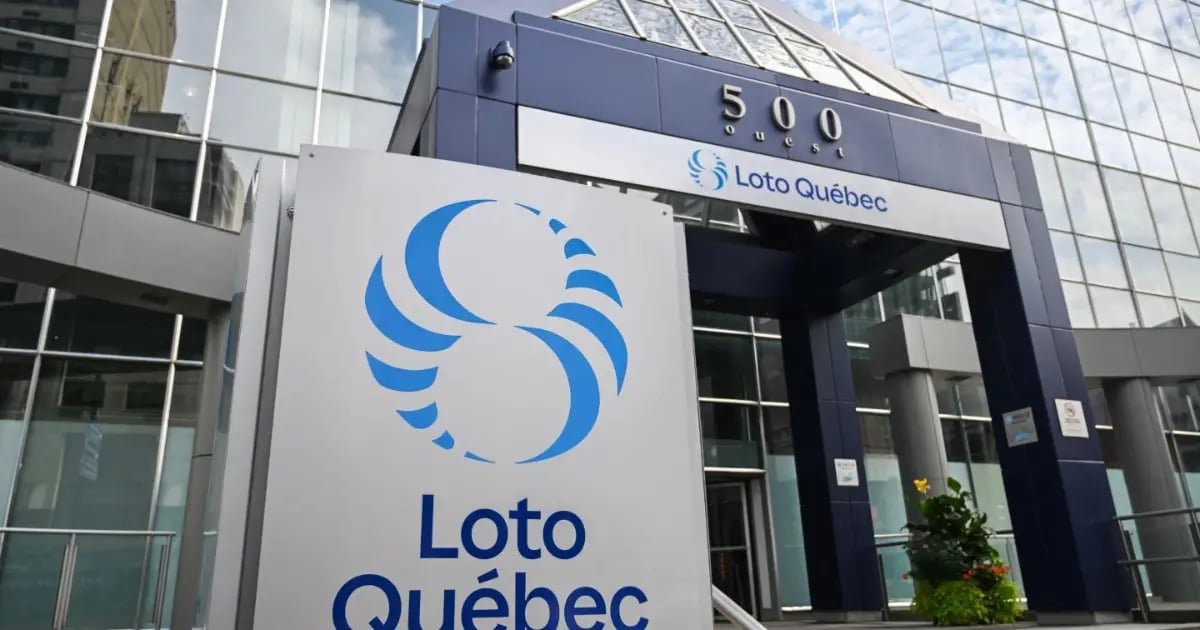
Currently, the government-owned Loto-Quebec organization operates all online and offline gambling venues in the province. This includes casinos in most major cities, sports betting venues, lotteries and online wagering.
Estimates vary, but analysts believe only 20% to 40% of online gambling takes place on official sites. For the fiscal year ending 2025, the province reported total gambling revenue of approximately $3billion.
Quebec Gambling Regulation 'Would Bring $300m Tax A Year'
The Quebec Online Gaming Coalition, a group of online companies that includes DraftKings, Flutter, Entain and other major operators, has said the province is losing out on approximately $300m a year in tax revenue in its current model.
Spokesperson Ariane M Gauthier said: "Why limit the regulation of online gaming to Loto-Quebec sites alone when the offering available on the Internet is much broader?
"Quebec could very well apply the same rules to private online gaming platforms, whether for advertising, age verification or accountability, for example. This would channel the vast majority of online gaming into a stable and regulated environment, which is desirable for everyone."

Following Ontario’s Lead
There is a precedent for opening up the market. In 2022, Ontario launched a fully-regulated online gambling market. And, in January this year, it set a new record for monthly wagers.
Operators processed $9.52bn, representing the fourth consecutive month the state has seen more than $9bn in wagers. The Heartland Province generates $800m a year in tax revenue from online wagering alone.
The success of Ontario’s model has seen Alberta promise a similar launch. It is expected to generate as much as $1bn in annual revenue and yield $200m or more in tax. Quebec’s population sits between Alberta’s (4.5 million) and Ontario’s (15 million).
Taking into account existing taxes raised from government-run sites, the province’s nine million residents would generate an expected $300m a year in taxes.

"The Quebec Online Gaming Coalition, a group of online operators that includes DraftKings, Flutter, Entain and other major operators, has said the province is missing out on approximately $300m a year in tax revenue in its current model."
According to one recent survey, two-thirds of residents would like to see an open market.
As well as additional tax revenue, proponents of an open market point to robust player protection measures.
The vast majority of players turn to black market sites under the current set-up. These sites are not governed by the province, and do not have the same security measures or safer gambling checks in place.

While You Are Here, Why Not Check Out Our: Online Casino Games & Free Slots?
The QOGC has previously called for the introduction of an independent regulator to oversee all operations. It also wants standardized regulations for all sites, and wants a portion of tax revenues to be handed out to community programs.
It also hopes that any new legislation would include giving access to multi-jurisdictional agreements.
Such deals would allow jackpots to be shared with other provinces, and even enable online poker players to enter tournaments that draw from global player pools.