South Korea To Add Esports To Sports Toto Betting By 2028

South Korea's government has set out plans to add esports to its state-run Sports Toto betting system by 2028, as part of the biggest overhaul of the country's legal sports wagering framework in two decades.
The Ministry of Culture, Sports and Tourism unveiled the plan, called Sports Policy Vision 2030, on September 4, 2026, at a meeting of the National Sports Policy Committee chaired by Prime Minister Han Duck-soo at the Government Complex Seoul.

What The Plan Covers
Sports Policy Vision 2030 sets out five strategic pillars and thirteen core tasks covering everyday sports participation, professional and disabled sports, the sports industry, and international competitiveness. One of the thirteen tasks is a full restructuring of Sports Toto, the country's only legal sports betting operator.
Under the timeline the ministry announced, South Korea will launch an official mobile Sports Toto service and extend betting hours in 2027, then raise the per-round purchase limit for bettors from 100,000 won to 200,000 won. In 2028, the government plans to introduce live, in-play betting on domestic matches and expand the list of eligible sports to include table tennis, handball, billiards and esports.
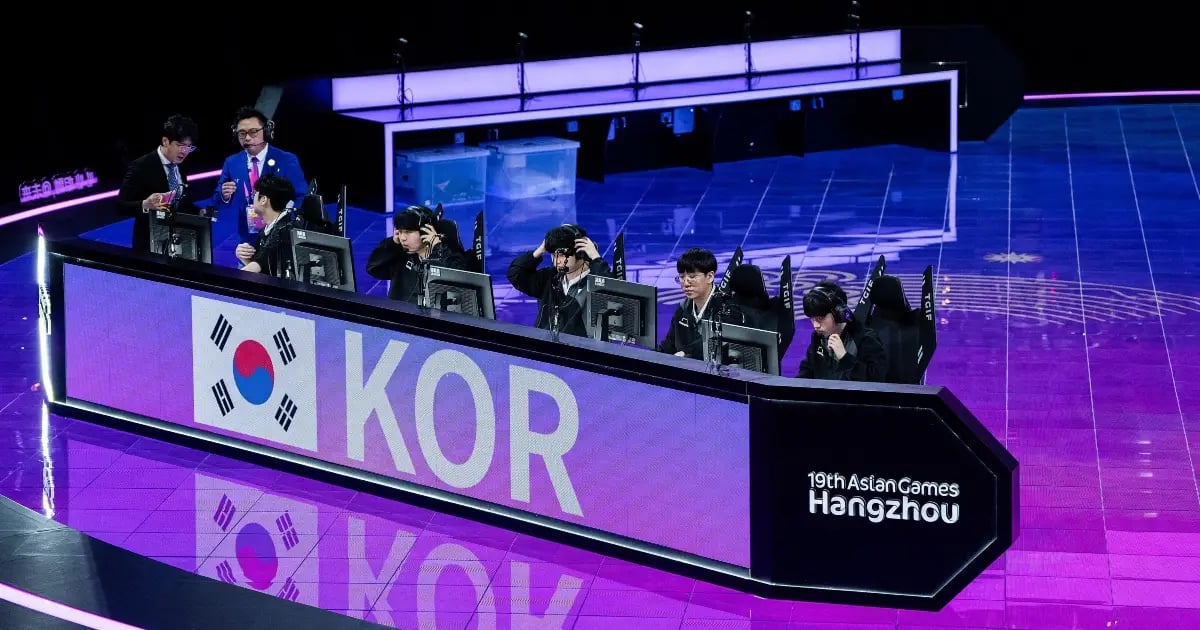
Esports is included because it is an official medal sport at the Asian Games, a threshold the ministry has applied to other new disciplines. South Korea's Vice Minister of Culture, Sports and Tourism, Kim Dae-hyun, said at a briefing on September 2, 2026 that Sports Toto funds the country's national sports promotion fund but has barely changed since it was created, and that the government wants a selection committee to decide which disciplines meet the criteria for inclusion, rather than fixing the list in advance.
Casino Games Hub
Why Esports Is On The List
The Korean e-Sports Association, KeSPA, has separately lobbied for esports to be added to Sports Toto, arguing in a policy paper earlier this year that publishers currently cover more than 90 percent of league operating costs and that regulated betting revenue could fund player development and grassroots competitions instead. KeSPA has also proposed a dedicated integrity body, provisionally called K-ESIC, to monitor players and educate teams on match-fixing risks if esports betting goes live.
The government's own data puts the illegal sports betting market in South Korea at 21.7 trillion won in 2025, roughly four times the size of the legal Sports Toto market. Ministry officials framed the Sports Toto overhaul, including the addition of new betting-style disciplines, as a way of pulling bettors out of unregulated sites and into a licensed system.
Alongside the new betting products, the plan includes a real-time detection system, to be built with the Korea Advanced Institute of Science and Technology, that aims to identify illegal betting sites automatically and refer them for investigation or blocking by 2028. The reward for reporting illegal sports betting operators would also rise from a maximum of 200 million won to 500 million won under the plan.
What Happens Next
The ministry has not yet named the selection committee that will assess whether esports and the other candidate disciplines meet the criteria for a Sports Toto listing, and the 2028 target for live in-play betting and new disciplines depends on further legislative and regulatory steps. Sports Toto currently offers betting on football, basketball, golf, baseball and volleyball.
South Korea has never allowed legal betting on esports despite being one of the sport's biggest markets, home to top League of Legends and StarCraft organisations and to KeSPA, the world's oldest national esports association.
A formal Sports Toto listing would make it one of the first Asian markets to regulate esports wagering through a state-run operator rather than leaving it to offshore or unlicensed sites.