How To Bet On The Grand National 2026: A Beginner's Guide

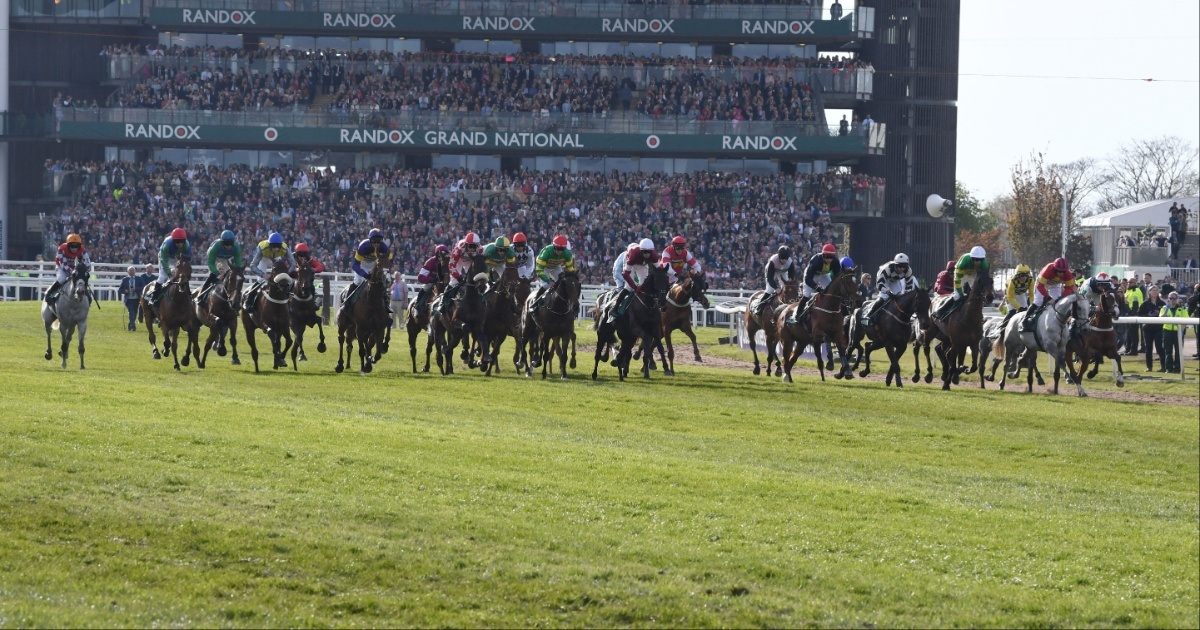
The Grand National is the one race that turns the whole country into horse racing fans.
Over £250million is expected to be wagered with bookmakers and on betting sites for the 2026 renewal at Aintree on Saturday, April 11, with millions of those bets coming from people who won't have another flutter all year.
A maximum of 34 runners will tackle 30 fences over four miles and two-and-a-half furlongs, making it the longest and one of the most unpredictable races in British racing.
If you're planning your first Grand National bet, here's what you need to know.
Understanding The Odds
Simply put, odds tell you how much you stand to win relative to your stake.
Fractional odds like 10/1 mean you win £10 for every £1 you bet, plus your stake back, so a £5 bet at 10/1 returns £55 in total.
Shorter odds like 5/1 suggest a more fancied runner, while longer prices like 33/1 or 66/1 point to an outsider - though the Grand National has a long history of shock results, with 100/1, 66/1 and 50/1 winners in the past.
Many sites and betting apps also display decimal odds, where 10/1 becomes 11.0 - simply multiply your stake by the decimal to calculate your return.



Win Bets And Each-Way Bets
A win bet is the simplest option - your horse must finish first for you to collect.
An each-way bet splits your stake in two: half on the horse to win and half on it to finish in the places, with most bookmakers paying out on the first four to seven finishers in the Grand National.
Each-way is hugely popular for the National because even getting a big-priced horse into the places can return a healthy profit.
For example, a £10 each-way bet (£20 total) on a 20/1 shot that finishes third could return around £60 at quarter-odds place terms.
Ante-Post Betting And Non-Runner Money Back
Ante-post betting means placing your bet before the final field is confirmed, with the advantage being that odds are generally bigger earlier on.
The risk is that if your horse doesn't make the final 34 - through injury, a change of plans or simply not making the cut - you lose your stake with most standard ante-post bets.
Some bookmakers offer Non-Runner Money Back (NRMB) on the Grand National, meaning your stake is returned if your selection doesn't line up, which gives you early prices with a safety net.
Always check whether NRMB applies before placing any ante-post wagers.
Setting A Budget
The Grand National is meant to be enjoyable, so it is important to decide what you're comfortable spending and stick to it.
A simple approach with a £20 budget would be a £5 win bet on a fancied runner, a £5 each-way bet (£10 total) on a bigger price, and £5 kept aside for a fun forecast or small accumulator.
Shop around for the best odds and place terms, and look out for Best Odds Guaranteed offers, which pay you at the starting price if it ends up bigger than the odds you took.
Never chase losses - this is one race on one afternoon, so enjoy it for what it is.
With the final field set to be confirmed in the days before the race, the market will shift quickly as declarations, jockey bookings and the going at Aintree come into focus.
Whether you're backing the favourite, throwing a dart at a 50/1 shot, or taking part in a Grand National sweepstake, the Aintree showpiece remains the ultimate once-a-year punt - set your budget, pick your horse and enjoy the ride.
If you are looking for some help in picking your bets this year, you can always check out our experts' daily horse racing tips and betting news.
Who are you backing in the big one this year? Let us know in the comments below!