Boxing Outright Win Betting: How to Pick a Winner

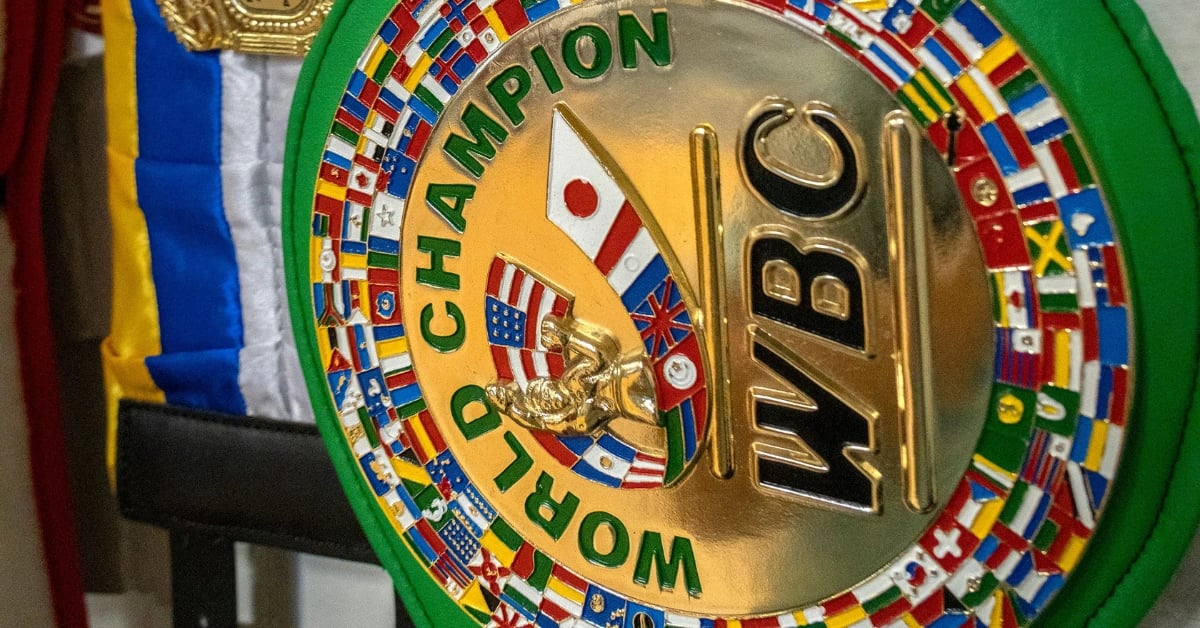
Who will win the fight? That’s the only question a bettor has to answer in order to play the outright win market in boxing.
While the boxing betting market is full of other riskier wagering opportunities, including bets on who will win the fight and how, what round (or group of rounds) the fight ends and even things such as whether the fight will go the distance, the most straightforward play when betting on boxing is the remarkably simple task of picking the winner.
No matter what method of victory, whether a knockout or decision, naming the fighter who wins the bout on the outright win market wins the bet, and the winning wager’s payout is based on the money line set by the bookmaker at the time of the bet.
Research, Research, Research
There are many important factors to consider before placing a bet on any of boxing’s top betting markets. Watching and reading about as much boxing as you can is the best way to get into the game.
Boxing is a unique culture, and navigating its ins and outs can seem overwhelming to anyone who hasn’t followed it closely for a long time. But Gambling.com’s boxing betting strategy guide is a great place to start.
Alongside most of boxing’s other betting markets, the three most important things to consider when placing a wager on boxing’s outright win market are the accomplishments of the participants, the fighters’ styles and their overall talent levels and abilities.
Accomplishments
Understanding the accomplishments of the participants is paramount for gauging which fighter will win any given professional prizefight. One way this can be done is by checking each fighter’s overall record on Boxrec.com.
When looking at a fighter’s record, it’s important to note both the wins and losses in total as well as who the fighter has defeated and/or who the fighter has suffered losses to or earned draws against.
Another important factor in judging a fighter’s accomplishments is checking boxing’s most authoritative rankings. Both The Ring and the Transnational Boxing Rankings Board offer a solid way of judging both where a fighter ranks overall in a division as well as if the fighter is considered one of the best pound-for-pound fighters in boxing.
While other rankings exist, such as those issued by boxing sanctioning organizations like the World Boxing Council (WBC), ratings panels are generally not considered trustworthy sources.
Styles Make Fights
Judging a fighter’s style and how that style matches up against another fighter’s style takes a bit more research. The best way to get a sense of the fighter's style in the ring is to watch them fight. Other important research tools include CompuBox and BoxStat.
There are many different styles used in the ring, but the most basic way to look at them is to consider whether a fighter is a boxer or a pressure fighter.
A boxer typically bounces up on the balls of his feet to circle his opponent and employs the use of a jab to keep the other fighter from being able to get close. A pressure fighter usually forgoes that kind of approach for one that is more aggressive and employs the use of more powerful punches from a closer distance.
In general, with all else being equal, a boxer usually enjoys a competitive advantage over a pressure fighter. To find out more about different styles and how they compare, look up the types of materials on YouTube offered by Lee Wylie and David Christianson.
Talent and Ability
Understanding a fighter’s overall talent and ability level requires watching the fighter in the ring and studying their history. Boxers who had long and meritorious amateur careers are usually set up better to be more competent professionals than those lacking such credentials.
Those with little to no amateur experience often struggle to deal with the level of skill they encounter when facing someone who was a stalwart amateur, with accomplishments such as winning a gold medal at the Olympics.
Most promoters and/or television networks, such as HBO and Showtime, offer fighter biographies on their websites, and if all else fails, simply searching the fighter’s name on the internet can yield that kind of information.


Considering the Money Line
Perhaps the most difficult aspect of playing the outright win market in boxing is judging whether the money line in the bout is worth the trouble of placing the wager.
While good matchups between top-level fighters offer decent winnings for both the favorite and the underdog, matchups between fighters who are at different levels in their careers often include money lines with huge risks on the heavy favorite.
For example, when Floyd Mayweather fought Andre Berto in 2015, the odds were heavily in Mayweather's favor to win the fight on the outright win market at -3000.
Anyone who followed the sport was certain Mayweather would win the fight, and online sportsbooks followed suit. To win just $100 on Mayweather beating Berto, which he easily did, one would have had to pony up $3,000.
Of course, anything can happen in a fight. There have been plenty of times in boxing where one fighter landed a lucky punch to shock the world and pull a huge upset.
While it was unlikely Berto would be able to do so against Mayweather, the risk of staking $3000 to win just $100 in return is just a bit too much for many bettors to pursue. One should never gamble an amount of money one can’t afford to lose, no matter how sure the outcome seems to be heading into the fight.
Betting the Draw
Bookmakers often include odds for matchups that allow bettors to wager on the bout ending in a draw.
While calling a draw is very hard to predict because of both the way boxing is scored as well as its numerous officiating problems over the years, payouts on winning wagers are often exceptionally larger than simply picking one of the fighters to win the fight outright.
On occasion, when fighters are equally matched and also both backed by high-profile promoters, it makes sense to bet on a draw simply because the winnings on such a bet can be so very large.
But it’s important to keep in mind that draws in boxing happen much less often than a winner named by the judges at ringside. Betting on the draw can pay huge returns, but it should be considered carefully as the probability of it happening drops proportionally to those potential returns.