ProPublica Test Exposes DraftKings VIP Push On Risky Bettor

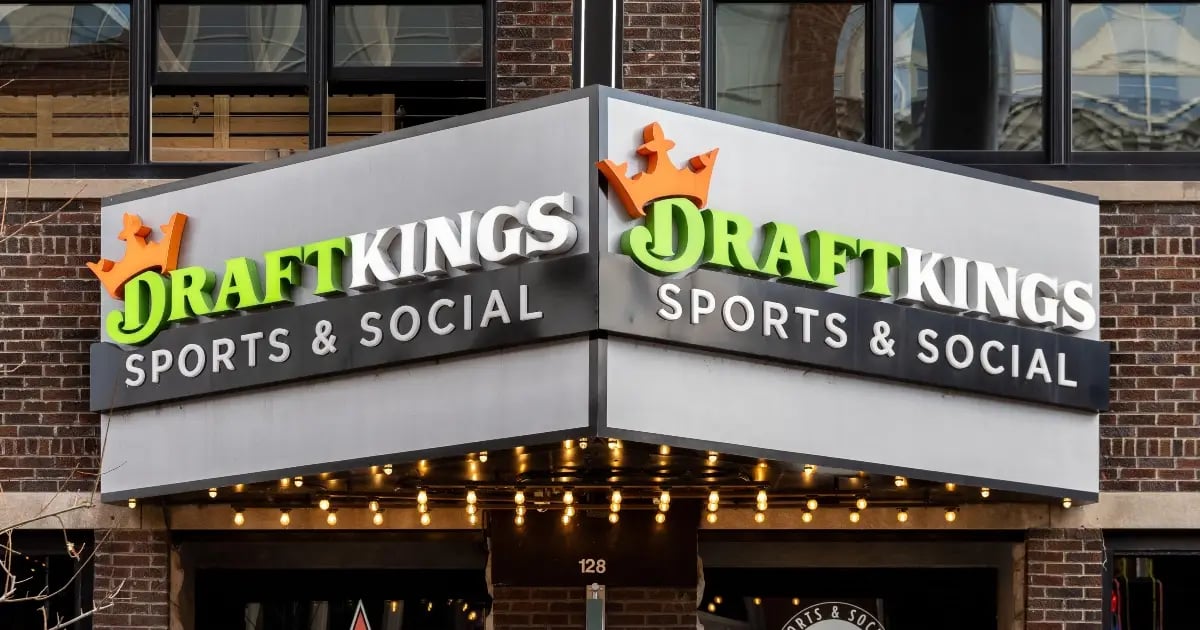
ProPublica published an investigation on September 26, 2026, showing that a reporter posing as a problem gambler was invited into DraftKings' VIP program a day after chasing a nearly $1,800 loss in one night.
Reporter Jake Pearson spent 10 weeks deliberately mimicking risky betting patterns on both DraftKings and FanDuel to test how each operator's safeguards responded to escalating losses.
Pearson lost more than $10,000 over the course of the test. Rather than being flagged for intervention on DraftKings, he received an email at 5:01 pm the day after his heaviest loss, inviting him to a three-week "VIP Showcase" tryout.
The showcase can lead to perks such as bonus bets, luxury suite access, and concert tickets for bettors who continue wagering at high volume.

What ProPublica Found
According to the investigation, Pearson set responsible-gambling limits on DraftKings early in the test, capping himself at two hours of app use per day and barring deposits above $100 in any 24-hour period.
He said the platform's "responsible gaming" prompts appeared during the test but did not stop the VIP invitation from arriving the day after his biggest loss.
DraftKings' chief responsible gaming officer, Lori Kalani, told ProPublica the company believes the industry is "doing a good job of educating people, of raising awareness, of making tools and resources available, of monitoring accounts," and said accounts showing repeated red flags are proactively closed.
ProPublica reported that when asked how often that happens, DraftKings did not provide a figure.
FanDuel Comparison
Pearson also ran a shorter test on FanDuel, where he said he encountered multiple "Reality Check" reminders during his sessions and was not invited into a VIP tier over the same betting pattern.
FanDuel has roughly 18 million customers and told CBS News, which interviewed Pearson about the investigation on September 29, 2026, that it invested $158 million in responsible gaming measures and removed 5,700 people from its platform for gambling behavior last year.
Why It Matters
The investigation lands amid a wider legal and regulatory reckoning for sports betting apps. Attorney Jennifer Hoekstra has filed 15 lawsuits against FanDuel and DraftKings, arguing the products were designed to be addictive, and a UCLA study cited in the same reporting found bankruptcies and credit card delinquencies rose about 25% in states after they legalized online sports betting.
The National Council on Problem Gambling has estimated that 8% of American adults, close to 20 million people, reported at least one indicator of problem gambling behavior "many times" in the past year.
For bettors, the findings underscore why using an operator's own limit-setting tools does not automatically pause marketing. Readers who want to check the safeguards on a specific platform or find independent responsible gambling resources can review an operator's account controls before opting into any loyalty tier.
A Fast-Growing Market Under Scrutiny
American sports bettors wagered $16.7 billion last year, according to the American Gaming Association, and that growth has drawn increasing attention from outside the industry to how operators manage VIP and loyalty programs.
Meta's recent $17.1 billion multistate settlement over allegedly addictive platform design was cited in earlier CBS News reporting as a signal that plaintiffs' attorneys are now applying the same legal theory to sports betting apps.
ProPublica's account also details a "Casino Craze" element of the test, in which Pearson played 500 rounds of online blackjack in a single weekend, about half of his total wagers across the 10-week period, illustrating how sportsbook apps are increasingly pushing customers toward in-app casino products alongside traditional sports wagers.

Refer to Cashback Terms & Conditions for full program terms.