How to Bet a NBA Scoring Champion: Trends That Actually Matter

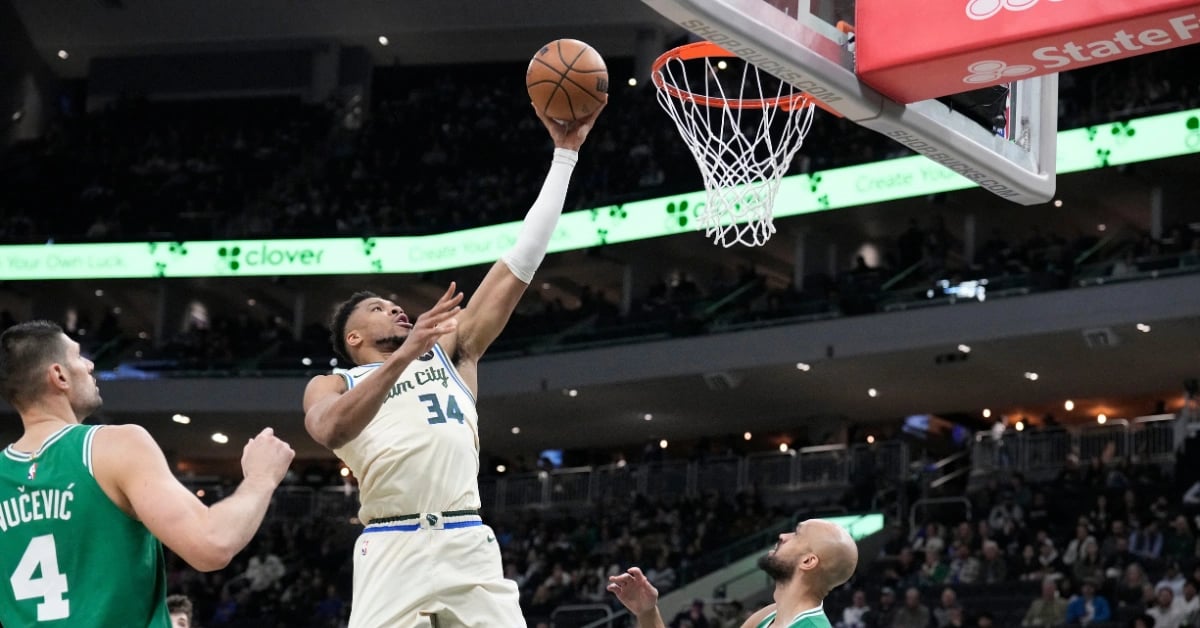
Scoring is on the rise, 3-point shooting is more relevant than ever, and teams are playing the most efficient basketball we've seen in the sport's history.
In the 2017-18 season, NBA teams averaged 106.3 points per game, the most since 1990. The average team made 10.5 3-pointers per game, the most all-time, and the scoring champion, James Harden, averaged 30.0 or more points for the third consecutive year; previously, the scoring champion had been below 30.0 points in four of the previous five seasons.
That trend has only intensified. By 2022-23, a record six players averaged over 30 points per game in a single season—something unimaginable even a decade ago. Points, points, points. They're all the rage, making the scoring champion wager a fun one. There's also some strategy involved in making the pick, so we look back at a handful of trends that can help make your wager for the annual scoring champion a fruitful one, especially when considering the wager before the season starts.
The Number 20 is Your Friend
The magic number here is 20. Even in today's 3-pointer era, with efficiency off the charts, field-goal attempts still matter greatly with this bet.
Since Adrian Dantley did so in 1984 on 18.2 shots per game, no player has won the scoring title by attempting fewer than 20 shots per game in the decades that followed.
(The slight caveat here is that Kevin Durant did so in back-to-back years in 2011 and 2012, but he attempted 19.7 shots in both years. We'll round up for the sake of the argument.)
That rule has continued to hold in the modern era. Luka Dončić led the league in field goal attempts per game (23.6) when he won the 2023-24 scoring title, making 11.5 of them while shooting 48.7% from the field. Shai Gilgeous-Alexander, the 2024-25 champion, shot 51.9% from the field while logging enormous volume—further proof that the 20-shot floor remains a reliable filter for identifying contenders.
Identifying which players were going to hit the 20-shot mark gives you a strong head start on identifying the scoring champion with no other qualifier.
Big Winners
Another one that may appear obvious, but helps out if you're considering a true dark horse candidate. Scoring champions also win games. And they tend to win big.
Beginning in 2000 with Shaquille O'Neal and running through the current era, the overwhelming majority of NBA scoring champions have played for teams with winning records—and not just marginal ones. Gilgeous-Alexander's 2024-25 scoring title campaign saw him guide the Oklahoma City Thunder to a league-best 68-14 record. That's one of the best winning percentages in NBA history and the clearest possible illustration of this trend holding firm.
The rare exceptions remain just that—rare. Dončić won the 2023-24 title with a Dallas Mavericks squad that reached the NBA Finals, and Joel Embiid won back-to-back titles in 2022 and 2023 with Philadelphia 76ers teams that reached the NBA Finals. The pattern continues to hold: the best scorers are, more often than not, the best players, and the best players win.



Position Trends and Usage
Wings and point guards: The guys with the ball in their hands the most affect the game the most and, at the end of the day, find themselves atop the scoring leaderboard.
From 2006 to 2014, the scoring leaders were all wings (Kobe Bryant twice, LeBron James, Dwyane Wade, Durant four times, Carmelo Anthony). From 2015 to 2020, all six scoring leaders were guards or perimeter players (Russell Westbrook twice, Steph Curry twice, Harden three times).
Then came a genuine surprise: Embiid's 30.6 points per game in 2021-22 made him the first center to win a scoring title since O'Neal in 1999-2000, and the first center to average over 30 points per game since Moses Malone in 1981-82. Embiid then backed it up with a career-best 33.1 points per game in 2022-23 to win his second straight title, becoming the first center to win back-to-back scoring titles in nearly 50 years. The big man drought is apparently over—or at least on pause.
Regardless of position, the common theme remains: they weren't just scorers; they were the do-it-alls for their respective teams. The statistic usage rate accounts for the percentage of team possessions that end with a specific player's action. From 1997 to the present, the NBA scoring champion has consistently ranked at or near the top of the league in usage rate, reflecting that the top scorers have the ball in their hands and do everything else for their respective teams, too.
MVP Trend
When deciding who to pick for league MVP, it's important to consider scoring. The same goes for picking the NBA scoring champion.
This trend has become even more pronounced in recent years. Shai Gilgeous-Alexander became the fourth player in NBA history to win MVP, the scoring title, and Finals MVP in the same season in 2024-25.
Looking back across the MVP winners from 2019 through 2026—Giannis Antetokounmpo (twice), Nikola Jokić (twice), Embiid, and Gilgeous-Alexander (twice)—the overlap between MVP candidates and scoring champions is consistently tight. Embiid won the MVP and the scoring title simultaneously in 2022-23; Dončić won the scoring title in 2023-24 while finishing as an MVP finalist; and Gilgeous-Alexander swept both in 2024-25.
The old exception—a great scorer whose team impact isn't valued highly enough for MVP consideration—is increasingly rare. If you're confident in your MVP pick, there's a very strong argument that the player belongs on your scoring title shortlist, too.