NBA Spread Betting Guide: How to Find Value Against the Line

When it comes to betting NBA point spreads, good teams win, but great teams cover. You've heard that before. Here's a better way to think about it: achieving teams win; overachieving teams cover.
The distinction matters. The best teams in the NBA aren't necessarily the best teams against the spread. In fact, in 2018, two of the three worst teams against the spread were Cleveland and Golden State, two of the most dominant franchises of that era. The third was the 48-win Thunder. Simply finding a winning team and backing them against the spread all year is not a strategy.
There are a handful of factors that actually move the needle on NBA spread bets, from team trajectory to scheduling to injuries.
Here's what to consider.
Bet on Teams That Could Overperform
The clearest edge in NBA spread betting isn't found in picking the best team; it's found in picking the team that's going to exceed what oddsmakers expected of them. Over a six-season sample through 2018, 54 total teams ranked in the top 9 in ATS record. Of those 54 teams, 47 (87%) also surpassed their preseason over-under win total that same season. In five of those six seasons, eight or nine of the top nine ATS teams went over their win total.
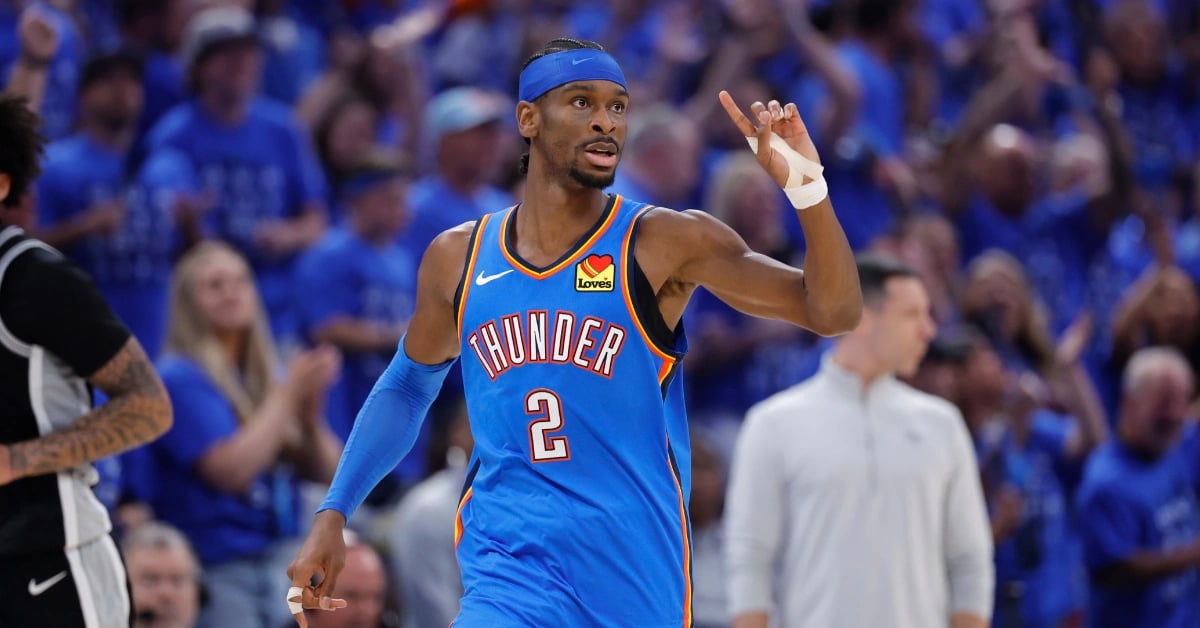
The pattern has continued holding in the years since. The most striking recent example: the 2024-25 Oklahoma City Thunder had a preseason win total of 56.5 and finished with 68 wins, more than 11 games over expectations. They went 55-23-4 against the spread (70.5%), the best regular-season ATS record in 35 years. It's the clearest possible proof that overperforming your preseason projection and dominating against the spread go hand in hand.
Going back further, the 2018 Pacers had a win total of 30 and finished with 48 wins, topping it by 18 games. They finished third in the NBA against the spread. Philadelphia, whose win total they exceeded by 12 games, finished second. Oddsmakers set those lines based on preseason projections, and when a team takes a genuine leap, books are slow to adjust on a game-by-game basis.
Of those original 47 top-ATS overachieving teams, 39 (83%) finished the year at .500 or better, and they exceeded their preseason win totals by an average of 9.1 games. The majority had a win total set at 40 or higher. The sweet spot is a team expected to be good that becomes legitimately great. A team jumping from 26 to 28 wins isn't the same thing.



Don't Worry Too Much About Home and Away
Contrary to popular belief, home teams don't hold an advantage when it comes to the point spread. True, home teams win far more often straight-up; from 2008 to 2018, they won better than 59% of regular-season and playoff games. But against the spread over that same period, home teams covered just 49.2% of the time. Betting the road team actually had a slight edge.
Even more telling: there wasn't much difference between home favorites and home underdogs. Home favorites covered 49.4% of the time; home underdogs covered 48.4%. That near-even split—which has remained consistent in the years since—isn't grounds to blindly hammer road teams. It's a signal that oddsmakers already account for home court in the line. The home team is more likely to win straight-up, but it's a toss-up whether they'll cover the spread.
Schedule, Travel, and Days of Rest
The NBA has lengthened its season in recent years to reduce back-to-backs and help manage player health, but rest and travel disparities still matter. When comparing two teams ahead of a game, checking rest schedules is worth the two minutes it takes.
Giving the edge to a team with an additional day of rest is a smart play, particularly when their opponent is playing the second leg of a back-to-back or wrapping up a condensed stretch of the schedule. The same logic applies to road trips: home court advantage may not show up in the spread, but a team on the fifth day of a road trip has been living out of a suitcase in a way their well-rested home opponent hasn't.
Context is everything.
Injuries: What Sportsbooks Know and What They Don't
Oddsmakers factor serious injuries into lines immediately. If a star player is ruled out for the week, that's already reflected in the spread. The opportunity lies in the gray area—day-to-day injuries, questionable tags, and late-breaking status decisions that create uncertainty when the line is first posted.
Books hedge on uncertain statuses, and lines can shift dramatically when a key player is confirmed in or out closer to tip-off. The morning shootaround is the best available indicator of where a team is leaning. All teams hold one unless they played the previous night, and reporters covering those teams will have updates on whether a player was active or limited.
Shootarounds are relatively low-key—some shots, some film, some play review—but they're the most reliable window into a player's actual game-night availability. In back-to-back situations specifically, it's reasonable to assume a player who logged heavy minutes the night before may sit, even without an official designation. There's no exact formula, but a shootaround report closes many of the information gaps.
Teams Bounce Back After Losses
There's a small but consistent trend worth noting. From 2008 to 2018, teams coming off a straight-up loss covered the spread in their next game 50.5% of the time—compared to just 49.4% for teams coming off a win. That gap reflects something real: oddsmakers and the betting public tend to overreact to recent results in both directions.
These are professionals. They don't like losing, and they respond.
Over 82 games, the highs aren't that high, and the lows aren't that low. Losing streaks happen, but teams will find ways to keep it close, and a public that just watched a team get blown out will often inflate the line against them in the very next game, creating a fade opportunity for disciplined bettors.