California Tribes Split Over Kalshi As Supreme Court Fight Looms

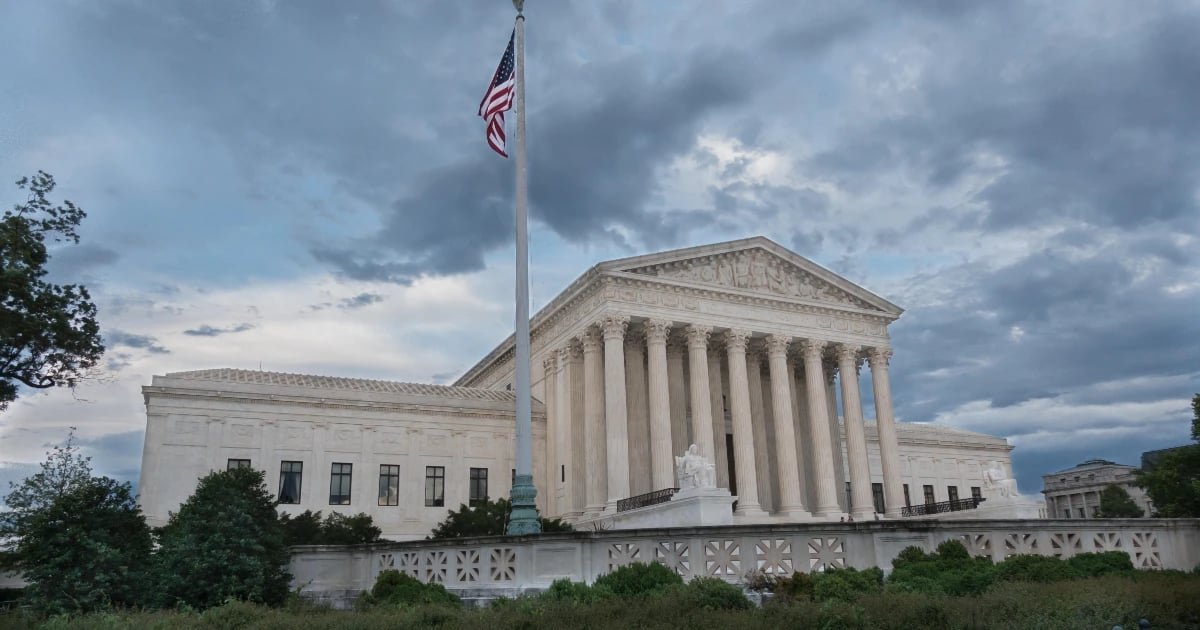
California tribes are splitting over Kalshi, with two suing to block the prediction market's sports contracts in the state and three others partnering with the company, even as the legal fight over whether such contracts are gambling heads toward the U.S. Supreme Court.
According to The Sacramento Bee, Blue Lake Rancheria and Chicken Ranch Rancheria sued to stop Kalshi's sports products in California, arguing the exchange is cutting into gambling budgets tribes rely on for revenue.
Tribes Say Kalshi Is Cutting Into Casino Revenue
Their attorney, Lester Marston, said a Wisconsin tribe he also represents expects prediction markets to cut its annual revenue by up to $10 million.
The California Nations Indian Gaming Association said last month that "like the prospectors of old, Kalshi and its ilk are infringing tribal sovereignty and threatening a vital tribal resource," a view echoed by 145 tribes in an amicus brief filed at the Supreme Court.
Yet this week, three California tribes said they are partnering with Kalshi instead, building their own apps and online casinos on the platform.
"For tribes like ours, geography has always limited traditional economic development," said Eric Wright, chief executive of the Kletsel Dehe Wintun Nation of Colusa County. "The digital commodities marketplace gives us an opportunity to build beyond those limits."

California's Own Sports Betting Ban Complicates The Picture
California voters rejected legal sports betting in 2022, and sports betting remains illegal in the state even at tribal casinos.
Marston argues that makes Kalshi's platform illegal there and has called on Attorney General Rob Bonta to bring a criminal prosecution against prediction markets operating in the state.
Bonta has not gone that far, but his office has joined amicus briefs in eight lawsuits against Kalshi and other prediction markets, including the pending Supreme Court case.
"Our office strongly believes that states have the legal right to regulate and enforce against sports prediction markets," spokesperson Alexandra Veitschegger said.
Supreme Court Case Could Settle The Question
The underlying legal question is whether sports-event contracts are financial "swaps" regulated federally by the Commodity Futures Trading Commission, or bets that fall under state gambling law.
Federal appeals courts disagree: the Ninth Circuit ruled against Kalshi in two California-linked cases, while the Third Circuit sided with the company in a New Jersey case now headed to the Supreme Court, where 39 state attorneys general and the NFL have both filed briefs backing state oversight.
Kalshi has been ordered to file its own Supreme Court brief by November 9, and a ruling could come as early as next year.
Robert DeNault, the company's head of enforcement and legal counsel, maintains that Kalshi customers trade contracts with each other rather than betting against "the house," a distinction he says sets prediction markets apart from traditional gambling.

Refer to Cashback Terms & Conditions for full program terms.