Illinois' First-Ever DFS Framework Takes Effect; Operators Have Until Sept. to Comply

Key Takeaways
- Illinois' first-ever DFS regulatory framework took effect July 1 under SB 3019.
- The law sets a 21+ age minimum, a 15% privilege tax on adjusted gross fantasy contest receipts, and a tiered licensing system.
- Operators have a 90-day window to comply with the new regulations.
Daily fantasy sports operators in Illinois are now operating under a formal regulatory structure for the first time, after provisions included in the state's fiscal year 2027 budget took effect July 1.
Illinois Senate Bill 3019: The Details
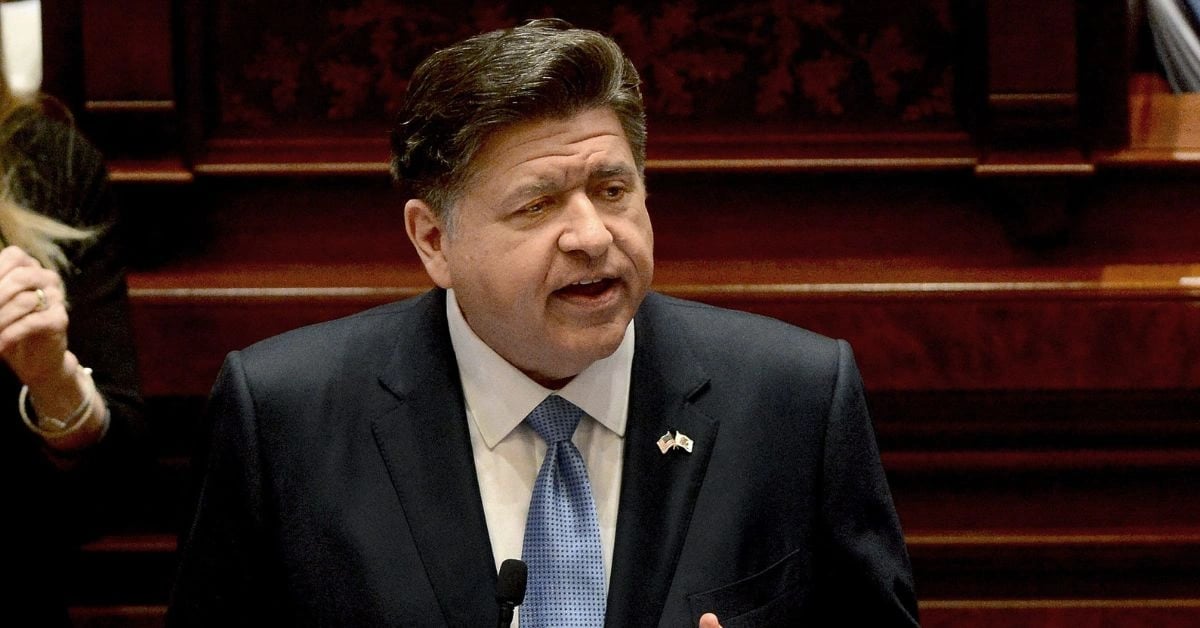
Gov. JB Pritzker signed Senate Bill 3019 on June 16, establishing Illinois' first statutory definition of "fantasy sports" and putting DFS contests under the oversight of the Illinois Gaming Board.
Operators that were active in Illinois before the July 1 effective date receive a 90-day transition window following the announcement of IGB rules to comply with them.
If you play DFS in Illinois, expect age-verification prompts (21+) and geolocation checks to become standard if they aren't already. The tax and licensing requirements apply to operators rather than players directly, but the added compliance costs may shape which platforms remain active in the state.
Key provisions include:
- Minimum age of 21 to participate in DFS contests in Illinois
- Compliance requirements covering age verification, geolocation controls, anti-money laundering procedures, and identity verification
- A 15% privilege tax on adjusted gross fantasy contest receipts generated from Illinois users
- Two-tiered licensing, based on an operator's prior-year user count in the state:
| Size | Initial 2-Yr. License Fee | Renewal Fee |
|---|---|---|
| Small (Less than 7.5k users) | $500 | $300 |
| Large (7.5k+ users) | $7,500 | $5,000 |
Why It Matters for Illinois DFS Players
Illinois has had a historically murky relationship with DFS, with platforms operating for years under regulatory ambiguity before this framework provided clarity. The new structure gives major fantasy platforms a defined legal and tax framework for the first time, rather than the patchwork status quo.
The 15% tax rate sits alongside a separate reduction elsewhere in the same bill: the initial master sports wagering license fee for online sportsbook operators was cut from $20 million to $15 million, though the $250,000 nonrefundable application fee remains unchanged.
Prediction Markets Add Wrinkle
The same budget bill also expanded Illinois' Sports Wagering Act to cover "exchange wagers" tied to prediction market contracts, taxing them at 1.75% (rising to 3.5% after five million wagers by a single operator).
Illinois is currently being sued by the CFTC over its cease-and-desist letters to prediction-market platforms.

Refer to Cashback Terms & Conditions for full program terms.