US Tribal Casinos Set $46.2 Billion Record As Prediction-Market Lawsuits Escalate

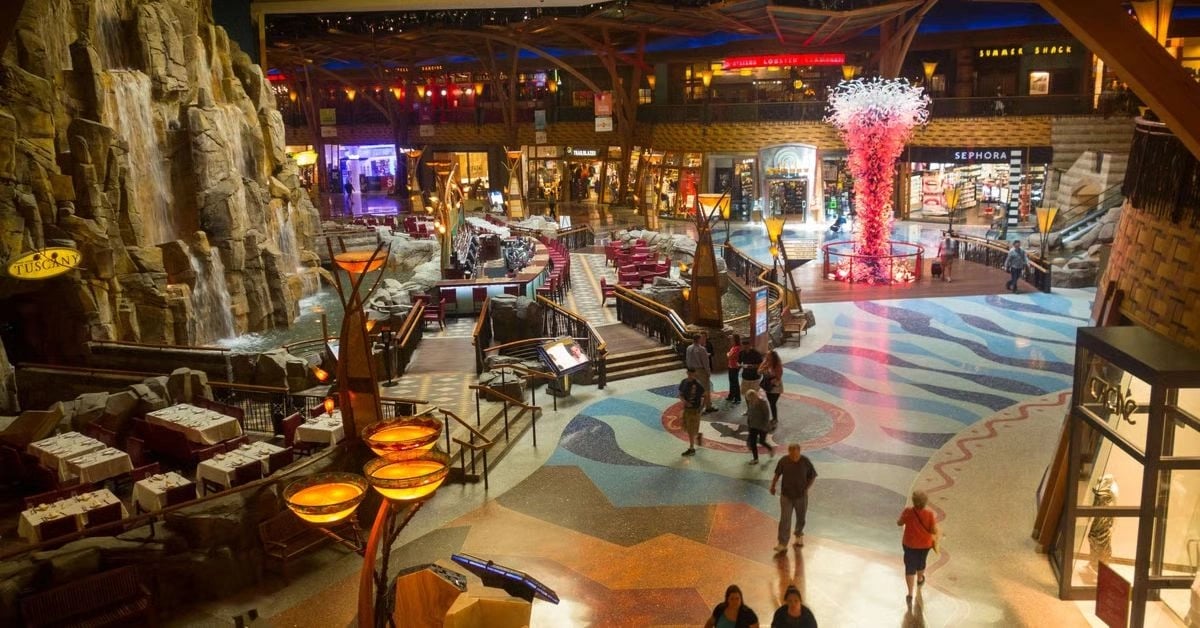
US tribal casinos generated a record $46.2 billion in gross gaming revenue in fiscal year 2025. The total was 5.3% higher than the year before, an increase of $2.3 billion on fiscal 2024's $43.9 billion, and it marks the highest figure the industry has recorded.
A Record Year For Indian Gaming
The number is drawn from independently audited statements filed by 545 gaming operations run by 246 tribes across 29 states. Seven of the commission's eight regions grew year on year. The regulator uses gross gaming revenue, the amount wagered minus winnings paid back to players, as its main measure of the sector.
"Indian gaming is an important contributor to tribal economies that empowers sovereign tribal governments to invest in their communities and provide their citizens with essential services," said NIGC Vice Chair Billy Kirkland. Associate Commissioner Sharon Avery credited "the continued commitment of tribal regulators and operators to responsible growth and community benefit."
Why Prediction Markets Worry Tribes
The headline growth sits alongside a threat that has moved from the casino floor into federal courtrooms. Tribes across the country argue that sports prediction markets, the event contracts offered by exchanges such as Kalshi and Robinhood, are unregulated sports betting reaching onto tribal land in breach of the Indian Gaming Regulatory Act.
Under IGRA, tribes hold the exclusive right to operate gaming on their lands, and the law treats sports betting as class III gaming that may be offered only under a tribal-state compact. The plaintiffs say the exchanges hold no such compact and are not licensed to take those wagers.
The Cases Moving Through The Courts
The Ho-Chunk Nation sued Kalshi and Robinhood in Wisconsin in August 2025. On May 11, 2026, US District Judge William M. Conley allowed the tribe's IGRA claim to proceed, finding it had shown a likelihood of success on the merits, while denying a preliminary injunction on the grounds that the Nation had not proved irreparable harm. He dismissed the tribe's separate racketeering and Lanham Act claims.
A parallel case is further along. In California, the Blue Lake Rancheria, the Chicken Ranch Rancheria of Me-Wuk Indians and the Picayune Rancheria of the Chukchansi Indians took Kalshi and Robinhood to court after a district judge declined to grant them a preliminary injunction. The US Court of Appeals for the Ninth Circuit is now set to become the first appeals court to review that kind of ruling.
The Fight In Washington
Tribal bodies have also taken the fight to Washington. The California Nations Indian Gaming Association has backed the Event Contract Enforcement Act and the Prediction Markets Are Gambling Act, and its chairman, James Siva, has accused the Commodity Futures Trading Commission of moving to bless the platforms rather than police them.
The revenue data does not yet show a dent from the exchanges, which only reached scale in late 2024. Tribal leaders have warned that the drag will grow if the products keep expanding, which is why so much attention now rests on the regulated online casino rules that keep tribal gaming inside a defined legal framework.
What To Watch Next
What to watch next is the Ninth Circuit, whose decision could set the tone for every other tribal suit, and the CFTC, whose approach to event contracts will shape how far the platforms can go. The full NIGC announcement carries the regional breakdown behind the record.

Refer to Cashback Terms & Conditions for full program terms.