NC State Athlete's World Cup Bet Ruled Minor Violation

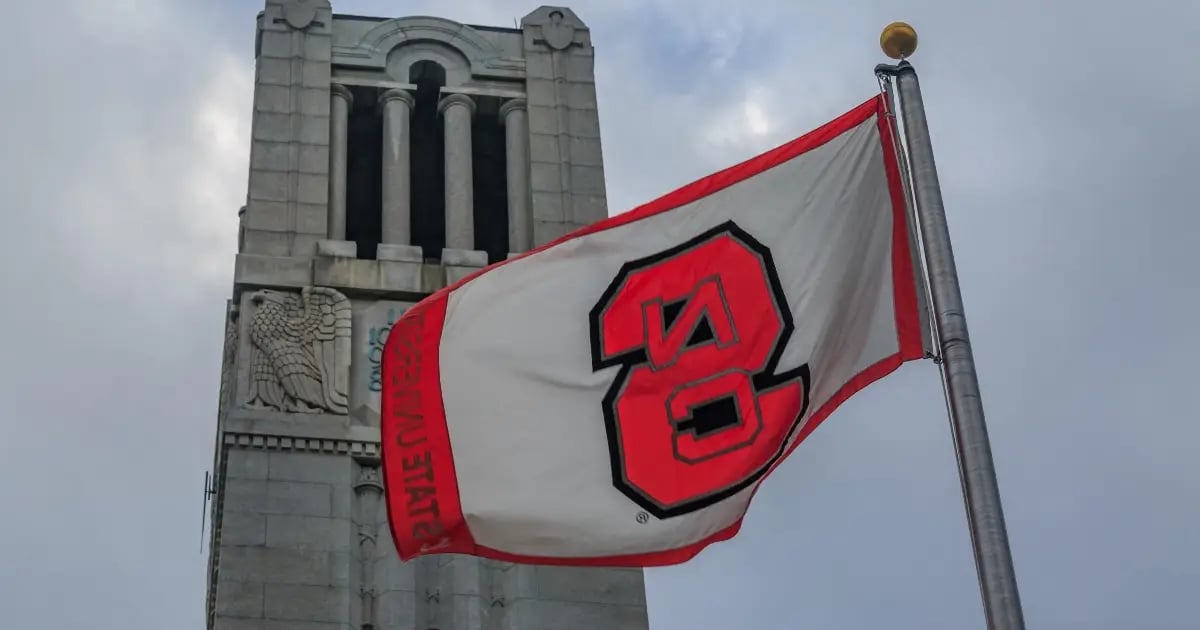
The NCAA has ruled that a North Carolina State athlete's $50 bet on this summer's men's World Cup was a minor violation, and the athlete has been reinstated after a brief loss of eligibility.
The case came to light through a public records request by WRAL News, which obtained NC State's secondary violation reports for the 2025-26 academic year. The bet was one of nine violations the university reported that the NCAA classed as secondary, or Level III.
It lands at a time when college betting is under scrutiny, including cases such as a former Texas Tech player suing the NCAA over a betting suspension.

What Happened
According to NC State, the athlete placed a parlay on the outcome of two separate World Cup games. Soon afterwards the athlete realised a rule might have been broken and contacted the team's compliance liaison to report it.
The athlete tried to withdraw the wager but could not, and the bet lost. The World Cup ended on July 19, and NC State submitted the violation to the NCAA on July 22. The compliance office confirmed a violation had occurred and applied for a reinstatement request to restore the athlete's eligibility.
NC State redacted the identity of the athlete and the sport from the records it released. The athlete is not a soccer player, WRAL reported, and the university has more than 550 athletes competing in intercollegiate athletics.
Why It Was A Level III Violation
The NCAA's Level III category covers isolated or limited breaches that provide no more than a minimal recruiting, competitive or other advantage. Schools are expected to report these to the association themselves, and NC State did so within days of the tournament ending.
Under NCAA rules, staff, coaches and student-athletes cannot bet on sports in which the NCAA conducts a championship, whether the event is amateur, collegiate or professional. Men's soccer is one of those sports, which is why a bet on the World Cup counted as a breach.
The rules also bar athletes and staff from joining NCAA Tournament brackets or fantasy leagues that charge an entry fee and offer a cash prize. Passing on information about injuries or playing status, or betting through an internet site on other teams, is prohibited too.
The Rule Change That Never Happened
The ban on professional sports betting nearly relaxed last year. In October 2025, an NCAA committee adopted a proposal that would have let athletes and staff bet on professional sports only. After a 30-day procedural period, two-thirds of Division I member schools voted to rescind the change, according to the NCAA, which announced the result on November 21, 2025.
Because sports betting rules are common legislation, the ban on all forms of betting for sports in which the NCAA sponsors a championship remains in place across all three divisions.
Our earlier look at what the NCAA betting survey says about college-age bettors shows why compliance teams are paying close attention.
Betting In North Carolina
Online sports betting has been legal in North Carolina since March 2024, and WRAL reported that bettors have wagered more than $17 billion through the state's licensed operators since then.
The other violations NC State self-reported ranged from exceeding the number of countable coaches allowed to provide skill instruction to emailing a recruit before the permitted date and providing per diem twice for the same day. Only the World Cup wager involved gambling.
If you or someone you know has a gambling problem, call 1-800-GAMBLER.

Refer to Cashback Terms & Conditions for full program terms.