Pennsylvania Skill Game Enforcement Underway With Six Operator Agreements

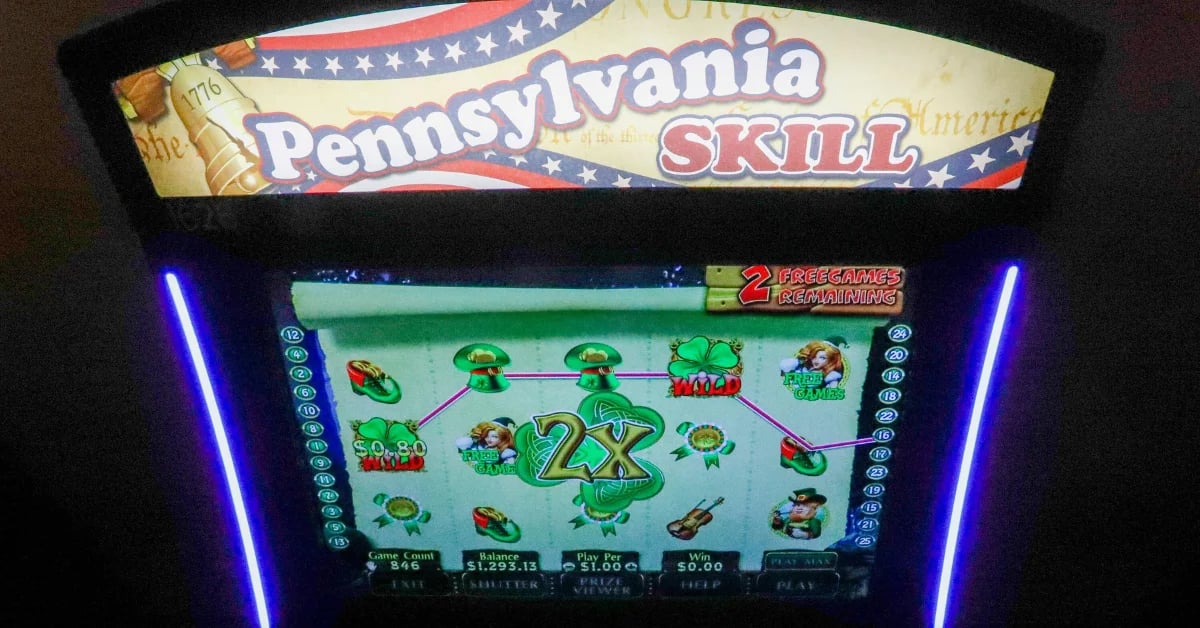
Pennsylvania State Police began enforcing the state's skill games law on October 14, 2026, after the compliance deadline set by the Pennsylvania Supreme Court expired. Machines outside licensed casinos and qualifying truck stops are now unlawful, and troopers can seize them.
In its enforcement announcement, the State Police said they have signed agreements with six skill game operators and distributors. More agreements are pending with distributors that have "indicated a willingness to voluntarily comply with the law" but asked for more time. The release does not provide totals for machines that were removed or seized.
What Operators Agreed To
Under the agreements, the businesses must render devices inoperable beginning October 14, continue removing machines from Pennsylvania locations on a rolling basis, and provide the State Police with a full list of the machines they own and where they are located. They also owe weekly removal updates and consent to forfeiting any machine not removed by the agreed timeline.
In return, the State Police offered a completion timeline proportional to the equipment each company promised to remove, and said they would delay seizing those machines until that date passes.
The agency has "designated storage locations" for machines it removes, spokesperson Logan Brouse told Spotlight PA.
Pace-O-Matic, the largest skill game operator in the state, said it is complying. Spokesperson Jeanette Krebs told Spotlight PA that the company's "focus is entirely on working toward a legislative solution."
Kelly Callihan, executive director of the Pennsylvania District Attorneys Association, said local law enforcement agencies "are willing to coordinate the voluntary surrender of these devices."
What Counts As Compliance
Unplugging a machine does not meet the standard. The State Police said, "A slot machine does not cease being a slot machine if it has simply been turned off, unplugged, or temporarily disabled."
Attorney General Dave Sunday's office has also said the machines must be removed, not just powered down.
Businesses that keep machines face seizure and forfeiture of the devices, equipment and proceeds, plus possible criminal charges. The State Police's skill games resource page adds another risk for bars and clubs: an administrative citation against a liquor license, which can result in a fine or suspension.
Police also warned against workarounds. They said they will investigate replacement devices that accept credit cards, debit cards, or anything else of value, and will pursue charges against manufacturers, distributors, and businesses that host them. Establishments with a liquor license should contact their local Bureau of Liquor Control Enforcement office.
Others should contact local police or a State Police station. Tips go to tips@pa.gov or 1-888-292-1919.
Removals And Legislative Fallout
The machines are coming out in large numbers. The Pennsylvania Capital-Star estimates that about 70,000 were in operation before the ruling. In the week before the deadline, DeLeo Games owner Tom DeLeo told the Altoona Mirror his company had recovered about a quarter of its "thousands" of machines, planned to destroy those it could not store, and expected to lay off 90% of its workforce.
On October 9, the Supreme Court denied a last-minute petition to extend the deadline without comment. Lawmakers have since come close to a fix but not reached one.
House Majority Leader Matt Bradford said on October 21 that the four legislative caucuses and the governor's office had reached a deal that collapsed when Senate Republicans could not secure the votes, according to PennLive. Senate Majority Leader Joe Pittman said he hopes a regulatory framework can be put together during the budget process and did not confirm that a deal had been reached.
Skill games stay illegal at least until after Election Day on November 3. Gov. Josh Shapiro and Republican challenger Stacy Garrity both support legalizing them but differ on how to tax them, Spotlight PA reported. Shapiro backs a gross-revenue tax in line with casino slots, while Garrity favors a flat fee.
What It Means For Players
Nothing changes for legal play in the state. Slot machines remain limited to PGCB-licensed casinos and qualifying truck stops. Regulated Pennsylvania online casinos are unaffected by the skill games ban.
Expect more detail from the State Police as removal timelines are set. The next legislative window is the budget process after the election.
Always gamble responsibly. If you or someone you know has a gambling problem, help is available: call or text 1-800-MY-RESET.
How We Got Here




FAQs
Are skill games legal in Pennsylvania right now?

No. The Pennsylvania Supreme Court ruled on June 15, 2026, that skill games are slot machines under the Gaming Act. Only PGCB-licensed casinos and qualifying truck stops may legally operate them. Enforcement began on October 14, 2026, so bars, convenience stores, and clubs that still host the machines are now exposed to legal action.
What happens to a business that keeps a skill game machine?
State Police can seize and forfeit the machine, its related equipment, and any proceeds found inside it, and they can also file criminal charges against the operator. A business holding a liquor license faces additional risk: it may receive an administrative citation, which may result in a fine or suspension of the license.
Is turning a machine off enough to comply?
No. The State Police say a machine still counts as a slot machine even if it is turned off, unplugged, or temporarily disabled, so those steps do not offer any legal protection. To avoid enforcement action, the machine must be physically removed from the premises.
Could skill games return in Pennsylvania?
Only if the General Assembly passes a law to tax and regulate them. Lawmakers did not act before the deadline, so the machines remain unlawful for now. The earliest realistic window for a legislative fix is the state budget process that follows the November 3 election.

Refer to Cashback Terms & Conditions for full program terms.