Texas HJR 52: Casinos And Sports Betting On 2027 Ballot

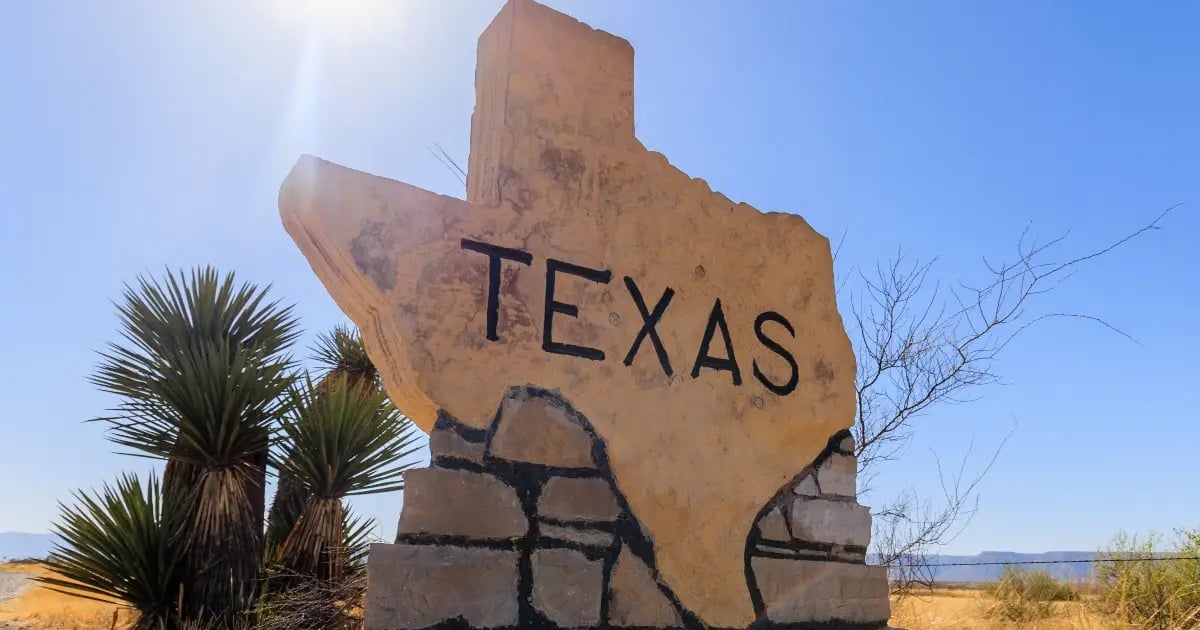
Texas voters could decide on casinos and sports betting on November 2, 2027, if a new proposal clears the Legislature. State Rep. Charlie Geren filed House Joint Resolution 52 on Monday, November 9, 2026, for the 90th Legislature, which meets from January.
The introduced text would amend the state constitution to let lawmakers authorize and strictly regulate both forms of gambling.
Texas has long resisted expansion. Our earlier report on a prefiled measure to legalize casinos and sports betting shows how often the idea has come back.

What HJR 52 Would Do
The resolution adds a new subsection to Article III, Section 47 of the Texas Constitution. At a minimum, any law passed under it must define casino gaming and sports wagering, require licenses and application fees for operators, and decide where licensed casinos and sports wagering may be located.
It also sets hard limits. Casino licenses would be capped at no more than 10 licensed facilities statewide, with initial terms of at least 40 years. The tax on casino gaming and sports wagering revenue could not exceed 15%, and the state or local governments could not add further taxes or fees beyond those that apply generally to businesses. Casino gaming would be restricted to onsite play at a licensed operator's physical premises.
The text also requires a process for Texas to negotiate in good faith and sign Tribal-State compacts, in a timely manner, with the three federally recognized tribes with Indian lands in the state, for Class III gaming on their existing lands if a tribe asks.
The Ballot Question
If both chambers approve it, voters would see a proposition asking whether to permit the Legislature, by general law, to authorize and regulate casino gaming and sports wagering at a limited number of locations in the state, require operator licenses and fees, and tax casino and sports wagering revenue.
The election date in the text is November 2, 2027. The Governor cannot veto a proposed constitutional amendment, so a vote would not need a signature.
A Changed Political Map
The filing follows the November 3 election. KPRC reported that Lt. Gov. Dan Patrick, a leading opponent of expansion, lost his re-election bid to Democrat Vikki Goodwin, who has supported letting Texans vote on the issue. Patrick's role in steering bills in the Senate had been a major reason proposals stalled even when they had support in the House.
A constitutional amendment needs two-thirds of both chambers, at least 100 votes in the 150-member House and 21 in the 31-member Senate. Republicans hold 19 Senate seats and Democrats 12, so supporters would need bipartisan backing.
In 2023 the House approved a sports betting amendment 101 to 42, but the Senate never voted on it. Religious groups, including Baptist organizations, have also opposed expansion.
Texas still has no legal commercial casinos or sportsbooks. The bill is an early filing, and nothing changes unless two-thirds of both chambers and then voters approve it.

Refer to Cashback Terms & Conditions for full program terms.