Wisconsin Approves Tribal-Exclusive Mobile Sports Betting: What Bettors Need to Know

Key Takeaways:
- Gov. Evers signed a bill on April 9, legalizing mobile sports betting exclusively through Wisconsin's 11 tribes via a Florida-style "hub-and-spoke" model.
- No launch date is set; each tribe must renegotiate its compact and secure federal approval from the Bureau of Indian Affairs, a process officials say could take months or longer.
- Mobile revenue sharing will be set compact-by-compact, likely near the existing 1.75%-6.5% range that tribes already pay the state on land-based gaming.
Wisconsin has taken its first legislative step toward legal online sports betting, but bettors shouldn't expect to place a mobile wager anytime soon.
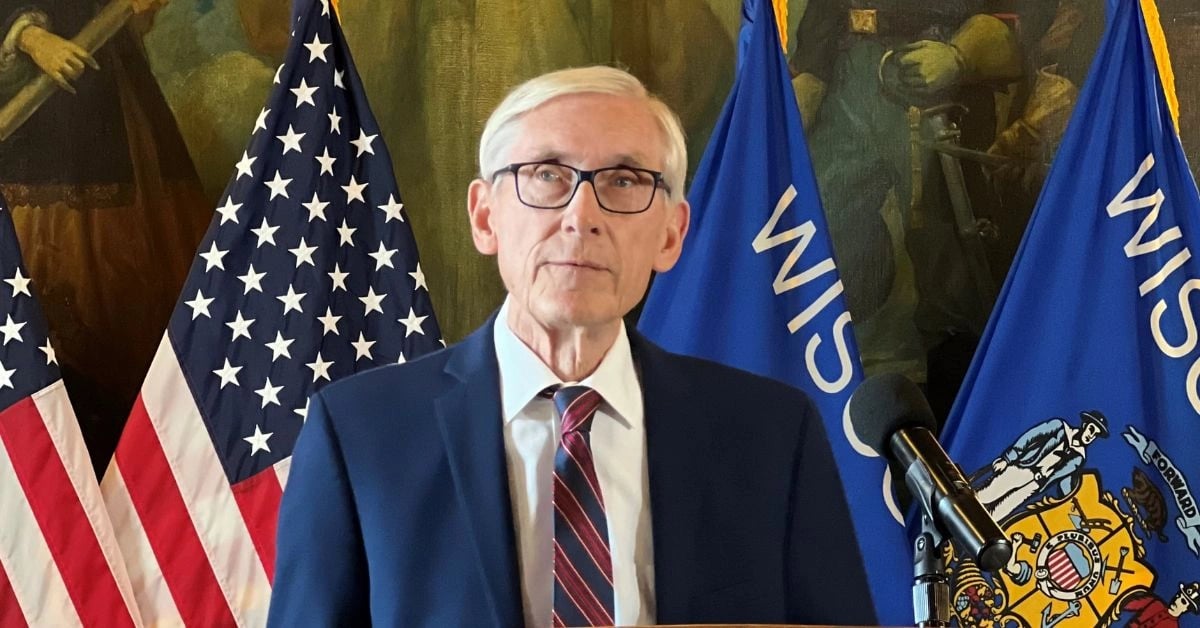
On April 9, Gov. Tony Evers signed Assembly Bill 601 (now codified as 2025 Wisconsin Act 247), a law that authorizes statewide mobile sports betting under a tribal-exclusive framework. The bill makes Wisconsin the 33rd state to legalize some form of online sports betting, but the path to an actual launch is longer and more complicated than in most states.
Wisconsin Sports Betting Bill Assembly Bill 601: How It Works
Rather than licensing commercial operators like DraftKings or FanDuel directly, AB 601 uses a "hub-and-spoke" model already in use in Florida. Under this structure, a mobile wager placed anywhere in Wisconsin is routed through servers physically located on tribal land. Because the bet is processed on tribal property, it falls under tribal gaming compacts and the federal Indian Gaming Regulatory Act, bypassing the need to amend the state constitution, which prohibits non-tribal gaming.
The bill works by amending Wisconsin's general anti-gambling statute to remove event and sports wagers processed through this tribal hub-and-spoke model from the legal definition of a "bet."
That means all 11 of Wisconsin's federally recognized tribes retain exclusive control over the state's mobile betting market. Commercial sportsbooks would need to enter into partnership agreements with individual tribes to operate in the state.
No New Tax Rate or Revenue Sharing Set
AB 601 doesn't establish a new statewide tax rate for mobile betting. Instead, it operates within Wisconsin's existing tribal compact structure, under which tribes already share a percentage of net win with the state, currently ranging from roughly 1.75% to 6.5%, varying by tribe and compact. As current Wisconsin tribal sports betting compacts stand, tribes paid the state just over $66 million in 2024 on revenue generated by 25 in-state gaming facilities.
The law itself doesn't specify what percentage of mobile betting revenue tribes will owe the state. That figure will be set individually as each tribe renegotiates its compact with the state.
One structural question is shaping those talks: because a statewide mobile app cuts across the regional boundaries tribal casinos have historically operated within, a joint-venture model, where tribes contribute to and benefit from a shared platform on roughly equal terms, has reportedly been gaining support as a way to divide proceeds fairly.
Evers has tied his support for the law to directing new revenue toward mental health programs and efforts to combat the opioid crisis, though that's a stated priority rather than a formal earmark written into the statute itself.
When Will Wisconsin Sportsbooks Launch Online?
Evers signed the bill with conditions attached. Each of the 11 tribes must now renegotiate its existing gaming compact with the state. The amended compacts require federal approval from the Bureau of Indian Affairs before mobile wagering can go live. That means no launch date has been set.
Evers has been explicit that he won't accept an arrangement that benefits some tribes more than others.
"The real work begins today," Evers said in his signing statement, adding that the tribes must now work "diligently, and together, to shape the future of sports betting in Wisconsin."
What's Next?: What Wisconsin Bettors Can Expect
- No launch date yet: Compact renegotiations and federal sign-off could take months or longer.
- No fixed mobile betting tax rate yet: Each tribe's share of mobile revenue will be set compact-by-compact, likely somewhere in or near the existing 1.75%–6.5% range.
- Operator partnerships are unclear: Commercial brands will need individual deals with tribal partners rather than a standard state license.
- Revenue framing: Evers has tied the law to funding mental health programs and opioid crisis response, alongside the existing revenue-sharing arrangement tribes already have with the state.

Refer to Cashback Terms & Conditions for full program terms.