DeWine Says Ohio Will Sue Prediction Markets

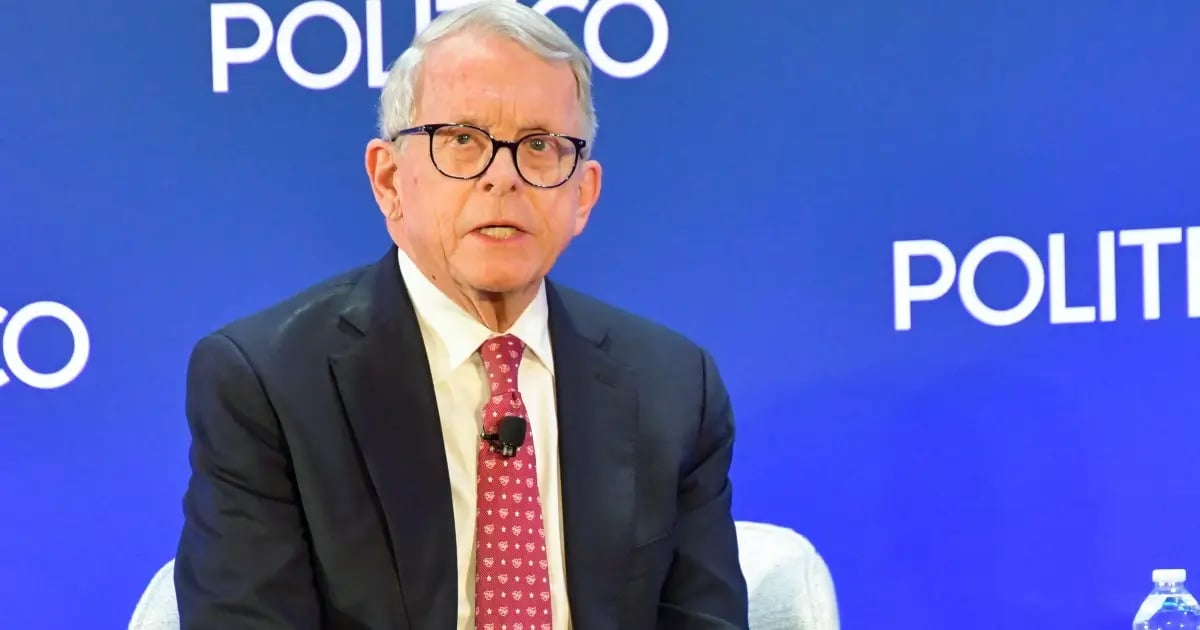
Ohio Governor Mike DeWine says the state will go to court against companies that offer bets on sports predictions to Ohioans. The Statehouse News Bureau's Jo Ingles reported the governor’s comments on October 19, 2026.
Polymarket, Robinhood and Kalshi are among the companies that offer contracts based on sports outcomes, including one-off actions by athletes during a game. That kind of betting has been illegal in Ohio since a 2005 law took effect, according to the report. DeWine said he sees advertising for these operations while watching games, and called the activity gambling that is trying to get around regulation.
The governor has pressed on gambling integrity before. In October 2025 the Statehouse News Bureau reported that DeWine had been working to ban micro prop bets, which are wagers on single actions by athletes that settle as soon as a play ends.
He had ordered a ban on prop bets on college athletes the year before, and in July 2025 he called for action after two Cleveland Guardians pitchers were put on leave in a gambling investigation. He said then that Major League Baseball was close to an agreement with operators to limit micro prop bets above $100 and described such bets as a threat to the integrity of sports.

Cease-And-Desist Letters
The Ohio Casino Control Commission has already sent cease-and-desist letters to many of the companies and warned of further action. The governor said the threat is real: the law and court decisions are clear, the attorney general is taking the steps he needs to take, and suits have to be filed rather than expected to enforce themselves.
A federal court recently ruled that Kalshi must follow Ohio law. Kalshi maintains that it operates under federal rather than state law, and that ruling is being appealed.
Two Democratic-sponsored bills would tighten the rules further. SB479 would bar anyone from betting on elections and ban election bets on prediction market platforms. SB 430 would define sporting event contracts as a form of sports gambling to be regulated would define sporting event contracts as a form of sports gambling to be regulated and taxed by the state. Neither bill has gained traction in the legislature so far.
What The Bills Would Change
The Ohio legislature's own records describe the two Senate bills in narrow terms. SB 479 would amend section 2915.01 of the Revised Code to specify that betting on elections is prohibited gambling. SB 430 would amend several sections of the Revised Code to specify that using a prediction market to trade event contracts on sporting events counts as sports gaming subject to regulation in the state.
As of the legislature's bill pages, SB 479 shows only its introduction and SB 430 sits in Senate committee, with no vote by either chamber. That leaves enforcement, rather than new legislation, as the state's main tool for now. DeWine's remarks also made clear that cease-and-desist letters are only a first step, because court filings are what would test whether federal law shields the platforms from Ohio's rules.
Ohioans who want to bet on sports through a licensed operator can find the options in our guide to Ohio sportsbooks, and we track the wider fight over event contracts on our prediction markets page.

Refer to Cashback Terms & Conditions for full program terms.