Gen Z 'Math Nerds' Are Quietly Beating Wall Street on Prediction Markets, WSJ Reports

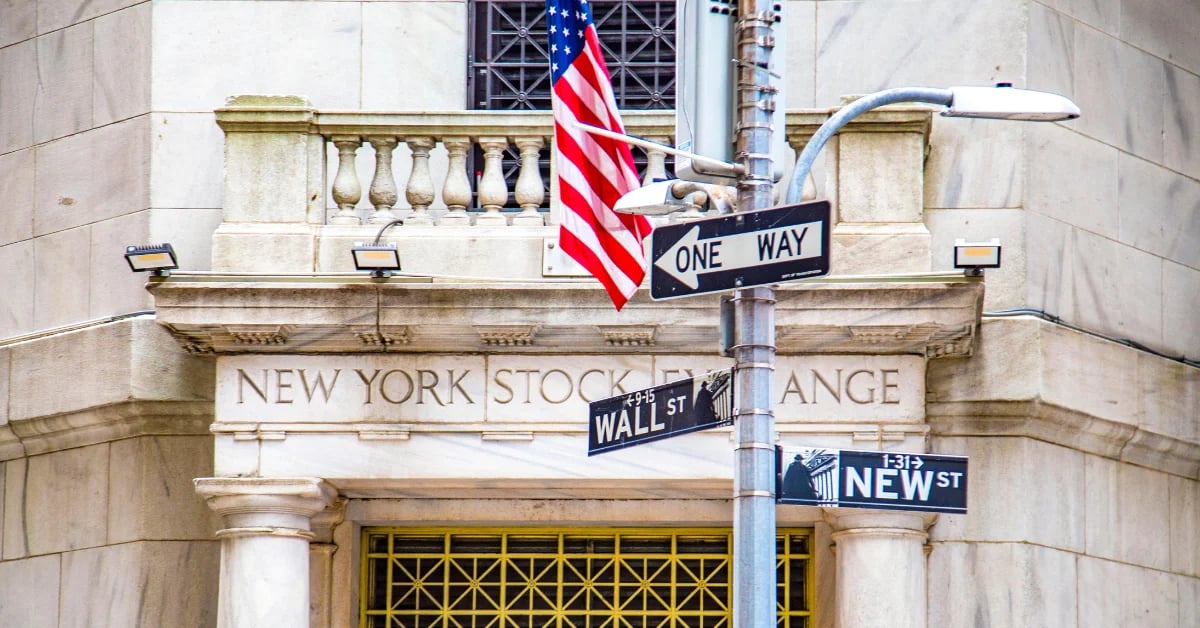
A new generation of traders barely out of college, not Wall Street's usual names, is topping the leaderboards on prediction market platforms like Kalshi, according to a Wall Street Journal report published over the weekend.
Gunjan Banerji, the Journal's lead markets writer and co-author of the piece, walked through the findings in a CNBC Squawk Box interview on October 5, describing small, founder-run shops that have scaled quickly using math backgrounds, low startup costs, and, increasingly, fleets of AI trading agents.
Who Are the Young Traders Topping the Leaderboards?
Banerji said some of the most successful trading operations on platforms like Kalshi are not the household Wall Street names that have moved into prediction markets; they're shops built by two or three people, some of which have expanded to around 10. Many of the traders are recent college graduates in their early-to-mid 20s with little formal trading background.
One example she highlighted on air is Alcidyne Technologies, founded by Zach Croman and Tanner Hoke. Croman was a member of the US International Mathematical Olympiad team in high school, and Hoke competed in the World Championships of Competitive Programming, Banerji said.
She described many of the traders she interviewed for the piece as "quant nerds" who graduated recently, pooled resources with friends, and built prediction market trading operations from there.
Why Prediction Markets and Why Now?
The appeal, according to Banerji, is that prediction markets have much lower startup costs than a cash equities or bond trading business, allowing young traders with a math or computer science background to apply that skill set quickly and cheaply. She compared the moment to the early days of cryptocurrency trading, when big price discrepancies across exchanges created inefficiencies that were straightforward to exploit before larger institutions arrived.
One Wall Street source told her he's pitched every other week by groups of 20-something traders who say they've found a "secret sauce" and want to scale fast.
Banerji said some shops are deliberately racing the clock. One trading firm told her it went into what it called "monk mode" for a year, building out trading infrastructure and avoiding distractions, because its founders expect the current inefficiencies to be short-lived.
The AI Edge: Fleets of Agents, Not Just One
Artificial intelligence is central to how these shops operate, Banerji said. Several of the traders she interviewed are deploying teams of AI agents to monitor tiny price movements across prediction market platforms, and some let those agents place trades automatically.
She contrasted that with simpler consumer experiments, such as an AI agent trading a small account on Kalshi daily, saying the startups she covered are running "dozens, a fleet of agents" rather than one.
Banerji also referenced her own reporting for the Journal on the use of ChatGPT for investment advice. She said the tool offered a reasonable initial framework when she compared it against advice from financial advisors, but that it became more permissive, in her words, it "egged her on", once she asked about riskier instruments like leveraged ETPs and options trading.
She said more Journal reporting on that experiment is coming.
Platforms Are Competing to Attract These Traders
Exchanges are competing for this trading volume too, according to Banerji. She said platforms are offering equity warrants to buy stakes in companies like Kalshi and Polymarket, along with stipends and, in some cases, loans or other forms of leverage, specifically to attract high-volume traders.



Play It Safe
Prediction markets function like high-speed financial and betting products at once, and this reporting underlines that they reward specialized skill and infrastructure over casual participation. Anyone trading or betting on these platforms should only risk money they can afford to lose.
If you or someone you know has a gambling problem, help is available: call or text 1-800-GAMBLER.

Refer to Cashback Terms & Conditions for full program terms.