Rep. Horsford Keeps Up Pressure On Congress Over Gambling Tax Fix

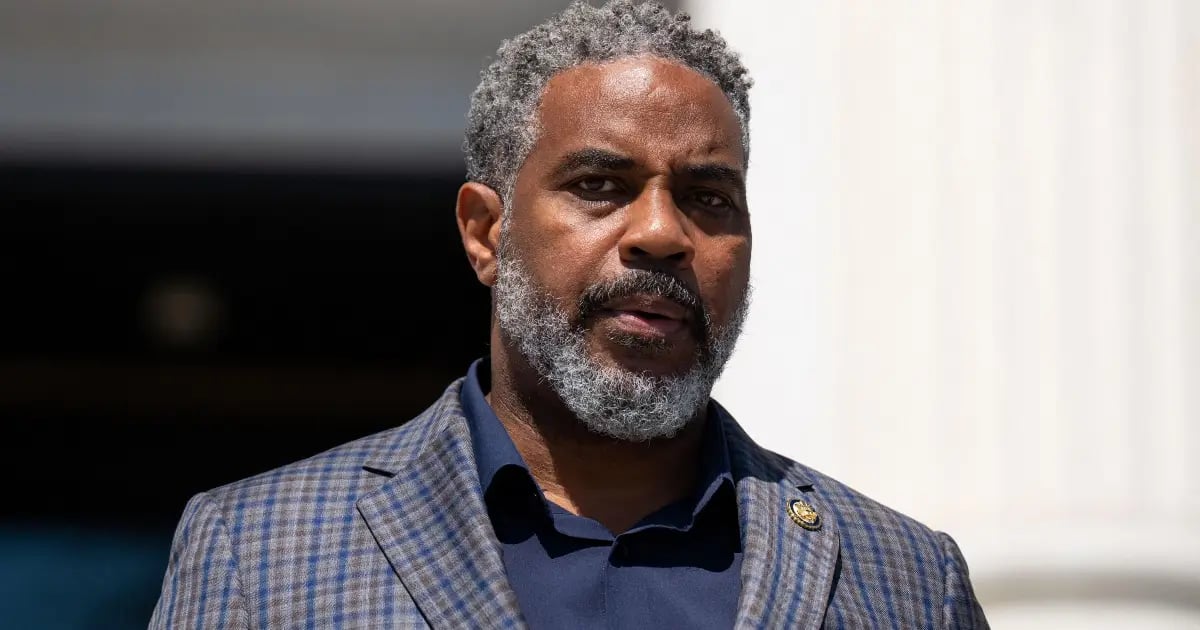
Nevada Congressman Steven Horsford is continuing to push Congress to restore the full gambling loss tax deduction, more than a year after a federal change cut it to 90%, leaving gamblers who break even on the year still owing tax on phantom winnings.

The FULL HOUSE Act's progress
Horsford and Republican Rep. Max Miller introduced the bipartisan FULL HOUSE Act in January, aiming to reverse a provision in the One Big Beautiful Bill Act that reduced the gambling loss deduction from 100% to 90% of winnings starting in the 2026 tax year.
The bill cleared a key hurdle on September 16, when the House Ways and Means Committee voted 38-5 to advance legislation carrying the FULL HOUSE Act's text, according to the committee's own published vote record.
Despite that lopsided committee support, Congress has set no timetable for a floor vote, and lawmakers' recess has left the measure in limbo. Horsford raised the issue again this week, framing restoration of the full deduction as a matter of basic fairness for gamblers and for Nevada's tourism-dependent economy.
Why it matters for bettors
"Taxing people on money they never actually earned is fundamentally unfair and harmful to Nevada's economy," Horsford said when the bill was introduced, warning the current rule "would drive major tournaments abroad, push gaming underground, and hurt tourism across my state."
Until Congress acts, the 90% cap remains in effect for the current tax year, meaning bettors on regulated sportsbooks who itemise can still be taxed on a share of winnings even if their overall gambling activity resulted in a net loss.
The committee vote keeps the fix alive, but its path to the House floor, the Senate and the President's desk remains uncertain.
Deduction Cut Buried In A Bigger Tax Bill
The 90% cap originated as a little-noticed provision in the One Big Beautiful Bill Act, the sweeping tax-and-spending package signed into law in 2025, rather than as a standalone gambling policy decision.
Because the change applies to the 2026 tax year, its practical impact is only now becoming visible to recreational and professional gamblers filing returns, which gaming industry groups say has sharpened pressure on lawmakers to treat the FULL HOUSE Act as unfinished business rather than a lower-priority fix.
Horsford's committee win came as part of a broader markup covering the Digital Asset Tax Certainty Act, with the FULL HOUSE Act language folded into that larger bill rather than advancing as standalone legislation - a routing that could speed its path through the House if the underlying bill moves, but also ties its fate to unrelated digital-asset tax provisions.
The committee's roll-call vote is published in full on the House Ways and Means Committee's own site, which also shows the underlying bill, H.R. 10357, passing committee on the same 38-5 roll call, with both parties' leadership on the committee recorded as voting in favour.

Refer to Cashback Terms & Conditions for full program terms.