Judge Bars Kalshi Sports Bets On New Mexico Tribal Land

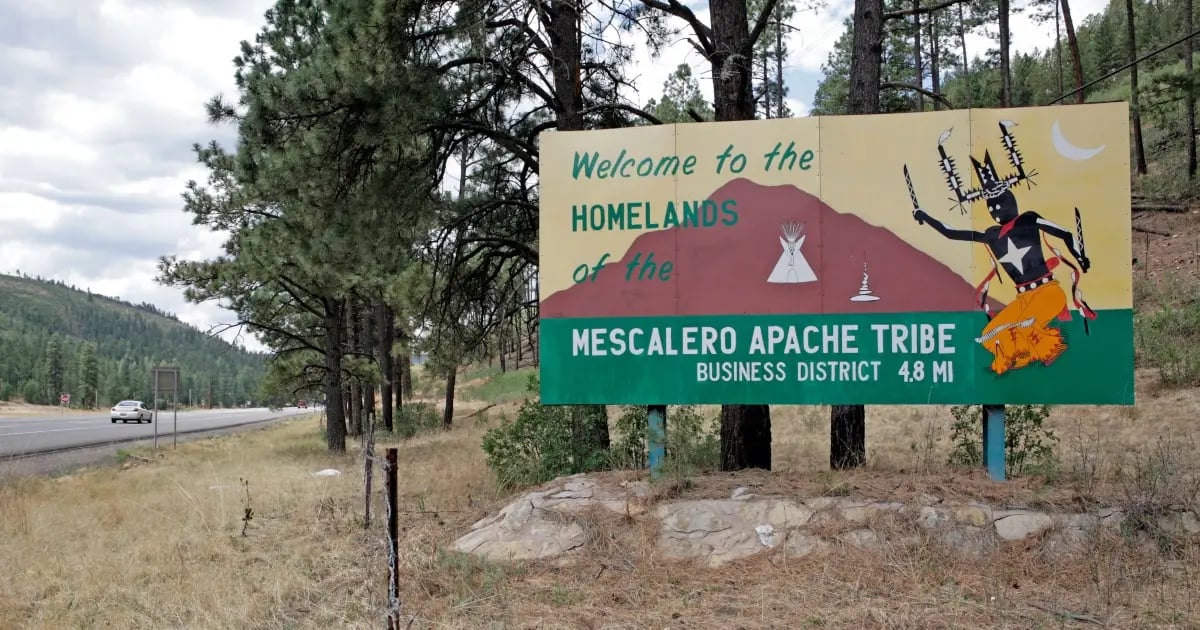
A federal judge in New Mexico has barred Kalshi from offering sports event contracts to people on the lands of four tribes, in another loss for the prediction market in the growing tribal litigation over prediction markets.
U.S. District Judge Margaret Strickland issued the 29-page order on November 23, denying Kalshi's motion to dismiss and granting a preliminary injunction while the case continues.
The plaintiffs are the Mescalero Apache Tribe and the Pueblos of Isleta, Pojoaque and Sandia. They sued Kalshi, Inc. and KalshiEx, LLC on May 12, arguing that letting people place wagers on sportsbooks from tribal land breaks federal law and their gaming compacts with New Mexico.

What The Injunction Covers
The order bars Kalshi, its affiliates, successors and assignees from offering internet-based sports betting or sports event contracts to anyone located on the Indian lands of the four tribes.
The wording is broad. It reaches single-game bets, teasers, parlays, over-unders, moneylines, pools, exchange betting, in-game betting and proposition bets.
The ruling does not unwind contracts or wagers placed before the order took effect, and it is not a statewide New Mexico ban.
Kalshi has 14 days from the date of the order to comply through geofencing or some other mechanism, which puts the deadline at December 7. The judge also decided a nominal bond was unnecessary, noting that Kalshi can still pursue a counterclaim if it wins the case.
Why The Judge Sided With The Tribes
Kalshi argued that the Commodity Exchange Act gives the Commodity Futures Trading Commission exclusive jurisdiction over its event contracts, which would leave tribes and states without a way to stop them. The court disagreed.
It found that the act does not give the CFTC exclusive jurisdiction over Kalshi's sports event contracts and that those contracts count as class III gaming under the Indian Gaming Regulatory Act, the same category as casino games, slot machines and sports betting.
On where the bet takes place, the judge likened a user buying a sports contract on tribal land to a bettor placing a wager at a casino, saying the activity happens where the user is physically located.
What The Court Said
The court said it was following the Ninth Circuit, which earlier ruled against Kalshi in the Nevada dispute.
The order also points to appeals court rulings in the Sixth and Ninth Circuits that cut against Kalshi, while noting that the Third Circuit has sided with the company on preemption.
The tribes' evidence included a declaration from a gaming agent with the Mescalero Apache Tribal Gaming Commission, who opened the Kalshi app at several places on the reservation and found contracts on sporting events.
The court noted that Kalshi did not dispute that people were accessing its site or app from the tribes' lands.
Balance Of Harms
Weighing the harm to each side, the judge concluded that the damage to the tribes outweighed the burden on Kalshi.
The order says geofencing does not look like a heavy lift for a company that already has the technology and that, according to the hearing record, collected about $2.7 billion in fees from online sports betting through August.
It also found that an injunction serves the public interest by supporting the tribes' ability to govern their own gaming.
The relief is preliminary and not a final ruling on the merits. The case was argued on September 23, and the tribes had asked for the injunction in July.
A Pattern Of Tribal Wins
The decision follows a similar order in the Northern District of California on November 4, which barred Kalshi sports contracts on the lands of two California tribes.
Taken together, the rulings give tribal governments a template for challenging prediction markets even where state enforcement has been blocked by federal preemption arguments.
For bettors in New Mexico, in-person sports betting at tribal casinos remains limited to people aged 21 and over, while the tribes say Kalshi lets anyone over 18 access sports contracts.
Kalshi is also fighting a separate state-court suit from New Mexico's attorney general, and has faced a run of decisions, including a federal ruling that Utah can enforce its gambling ban. Kalshi can appeal the New Mexico order to the Tenth Circuit.

Refer to Cashback Terms & Conditions for full program terms.