Kalshi Donates To Idaho AG Amid Betting Law Dispute

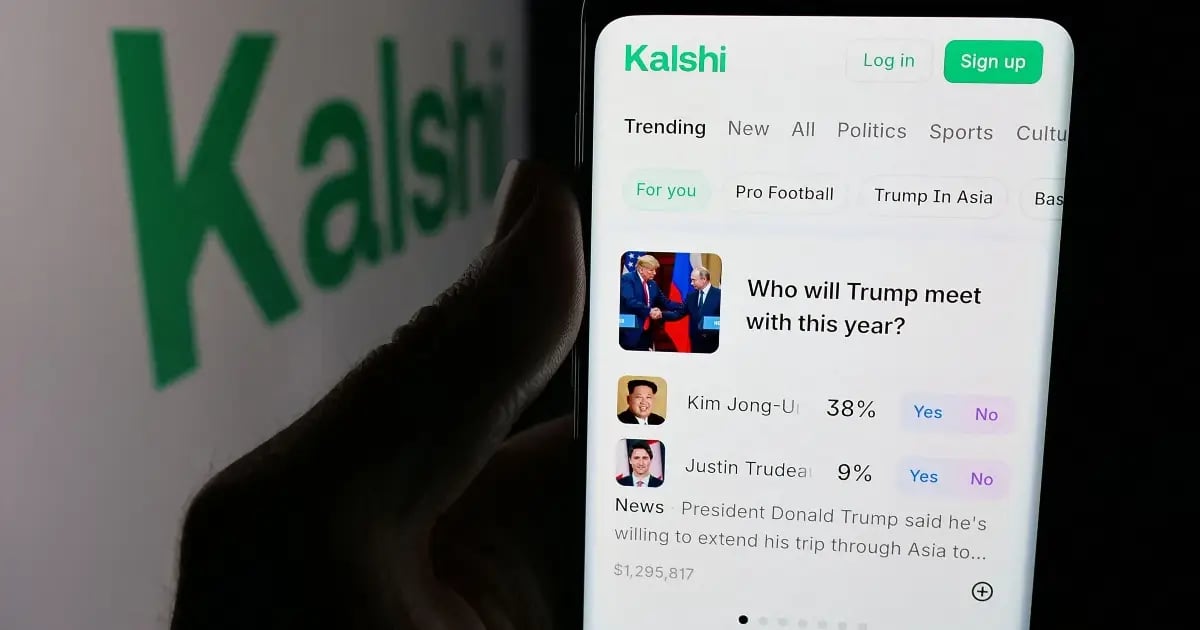
Prediction market operator Kalshi donated $5,000 to the re-election campaign of Idaho Attorney General Raul Labrador on October 13, months after Labrador's office challenged the company's right to offer sports-related event contracts in the state without complying with Idaho's gambling laws.
The donation lands in the middle of one of the most closely watched legal fights between a prediction-market platform and a state law enforcement office anywhere in the country.

A Donation From An Opponent In Court
Labrador's office said the contribution would not change his position.
A spokesperson told Idaho Education News that the attorney general has consistently argued that states, not the federal government, should set gambling policy, pointing to Idaho's amicus brief to the Ninth Circuit Court of Appeals and its comment to the Commodity Futures Trading Commission (CFTC), both of which oppose Kalshi's position.
Kalshi has given a total of $15,500 to Idaho Republican campaigns and committees over the past month, including the state House Republican Caucus, House Speaker Mike Moyle and nine other incumbents and candidates, a spending pattern that mirrors the company's broader strategy of engaging directly with state officials it is simultaneously fighting in court over its event-contract products.
The Underlying Legal Fight
Idaho joined a 39-state coalition in March backing Nevada's enforcement of its gambling laws against prediction-market platforms, arguing that states like Idaho that ban sports betting would be powerless to enforce that ban if the CFTC's position prevailed.
According to Labrador's office, Kalshi and Crypto.com began offering sports-related contracts in January 2025 by framing them as "events contracts" on federally regulated futures exchanges, a structure the CFTC declined to formally endorse for roughly a year before reversing course under new leadership in late 2025.
Federal appeals courts have since split on the underlying question: the Third Circuit sided with Kalshi in April, while the Ninth Circuit ruled against Kalshi on August 28 and the Sixth Circuit followed on September 25. Idaho separately signed a July 27 comment to the CFTC, led by Ohio, arguing the agency's proposed rule formally defining event contracts as swaps goes beyond its statutory authority.
Thirty-nine states and the District of Columbia have since urged the U.S. Supreme Court to take up the broader dispute over whether sports-event contracts fall under federal commodities law or state gambling regulation.

Refer to Cashback Terms & Conditions for full program terms.
Latest News from Gambling.com
 Casino


 Betting